


Esther Anna Hunt: Developing Chinese themes in American art
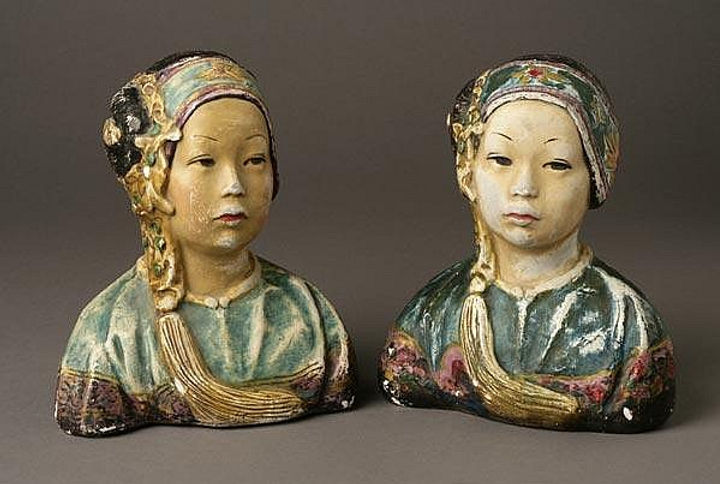
The market of 19th-20th century American small-scaled handicrafts, postcards, and souvenirs with the Asian twist are full of objects titled “Esther Hunt Era”, “a la Esther Hunt”, “Esther Hunt workshop” or “Esther Hunt style”. Her legacy distinguishes with the oils, watercolours, etchings and coloured ceramic statuettes popular with the general public during her productive years, having been reproduced commercially for postcards, calendars, prints, busts, etc. She paid attention to every detail and each pattern of traditional attires and headgears, forms and design of the shoes, hairstyles of boys and girls, characteristic visage and maquillage of the women, custom-related activities and actions
Theodore Wores: The pioneer of Chinese themes in American Art
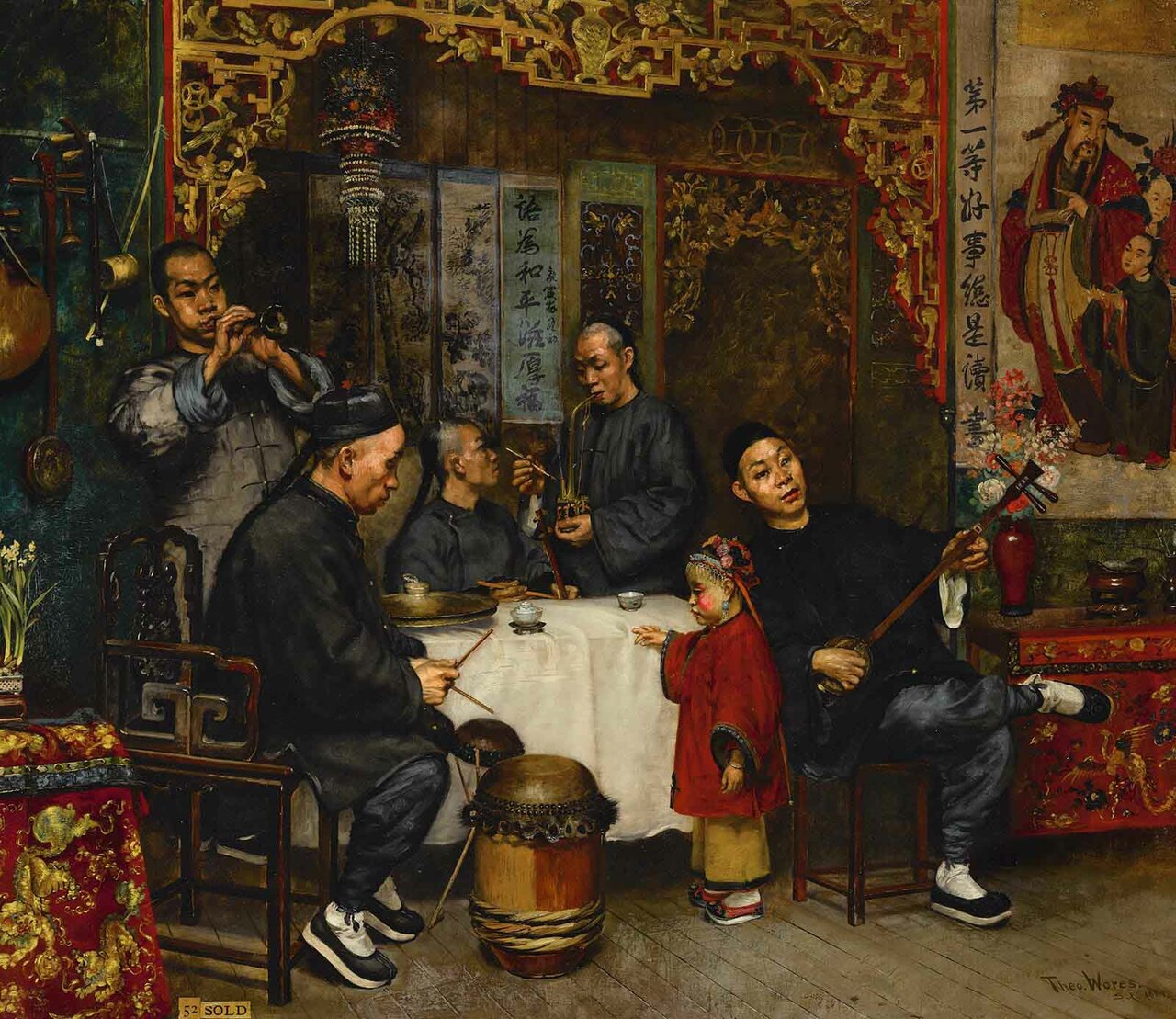
Theodore Wores’s art helped to form a positive image of Chinese people in 19th century America. This article by Ani Margaryan is an in-depth analysis of American artist Theodore Wores' contribution to the rise of, coinage and extension of Chinese subject matters in American art history. It is also a rare attempt to represent the complete set of his artworks on Chinese themes. The main challenge to bringing this work to the art world is that the location of the majority of his Asian-inspired canvases remains unknown, with only photographic records of the pieces in existence. Theodore Wores (August 1, 1859
The Armenian-American master of “Chinese still life paintings”
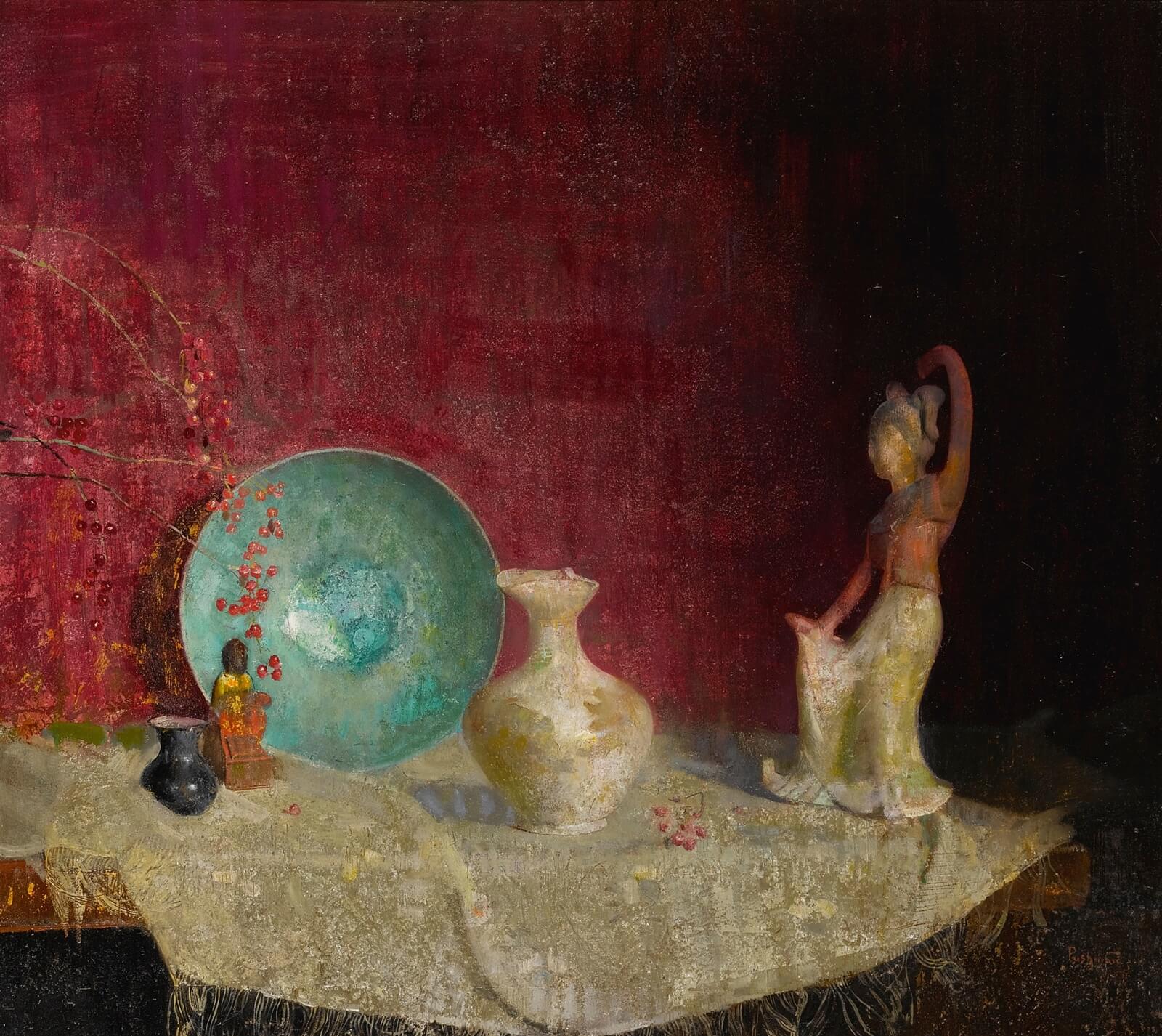
Hovsep Pushman (1877-1966) was a well-known and demanded American artist of Armenian background. The most distinctive feature of his artistic style and unique signature was contemplative and aesthetic still life works, involving Oriental, mainly Chinese porcelain jars, vessels, manuscripts, statues and figurines of Buddha, Tang dynasty female dancers, horsemen, monks, God of War, and other Chinese deities, fused with Western and Armenian antiquities, represented against the background inspired by Chinese ancient murals, silk paintings, scroll paintings and Oriental wallpapers. It is worth mentioning that Hovsep Pushman has traveled to China, has been fond of Chinese literature and philosophy, and was also known as