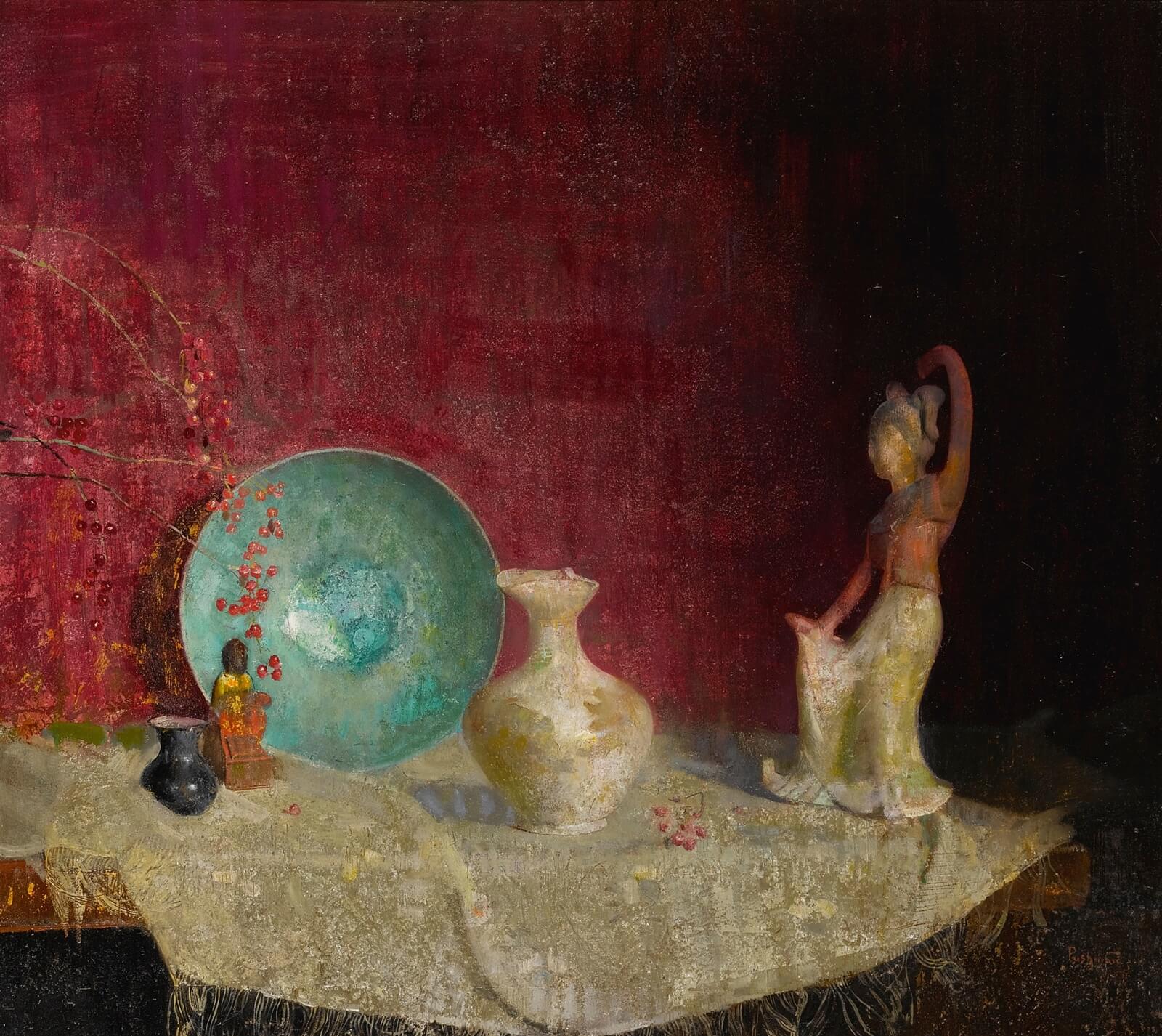
The Armenian-American master of “Chinese still life paintings”
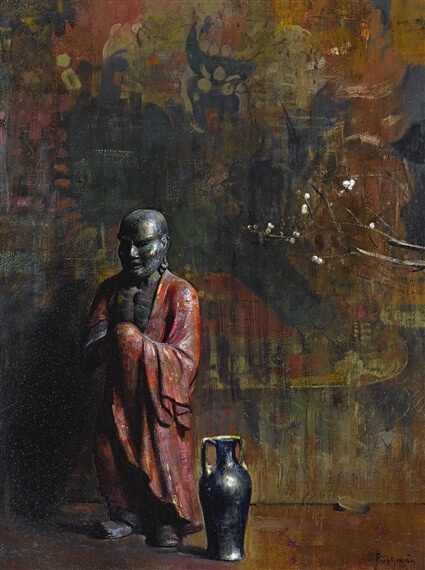
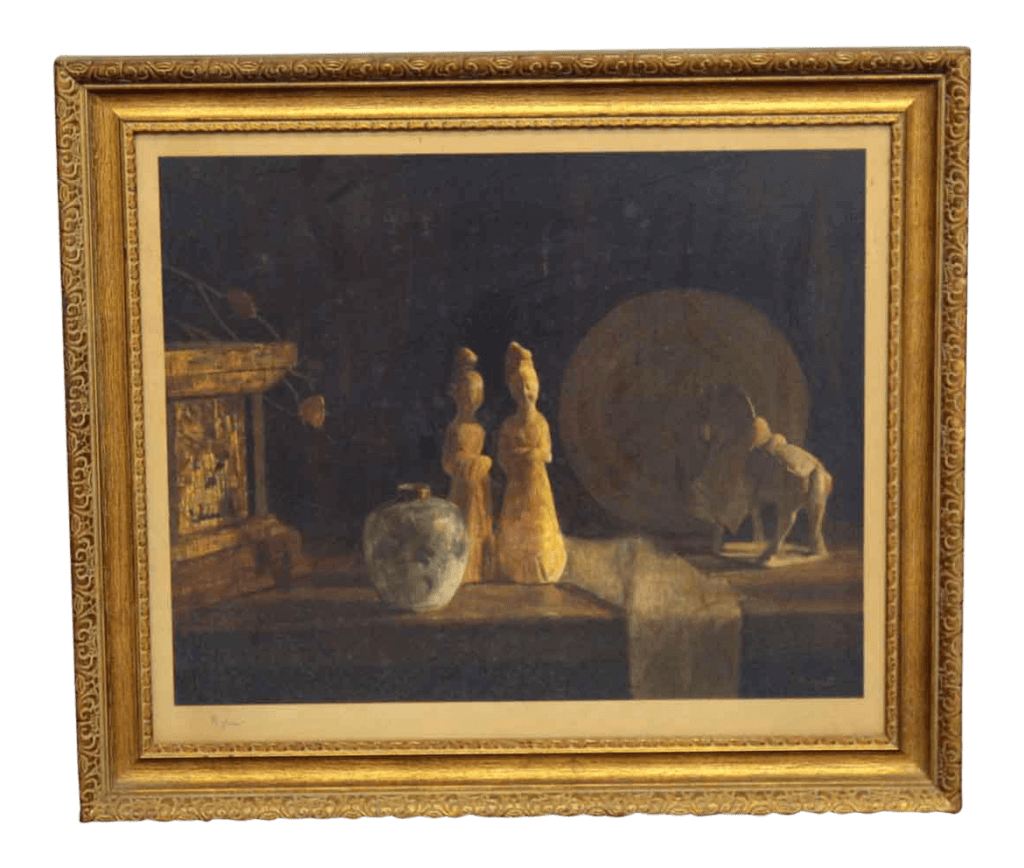
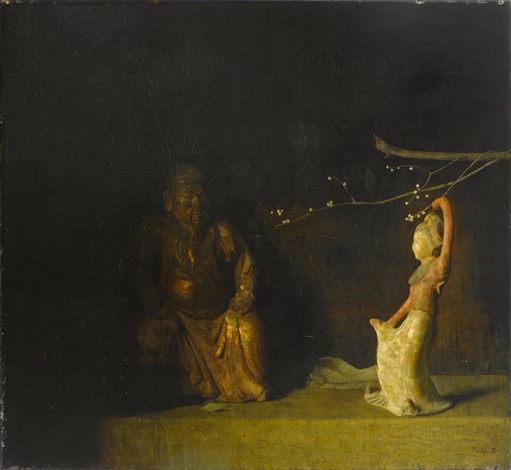
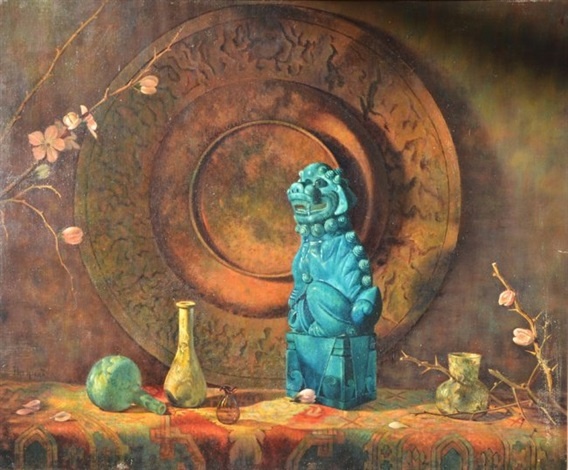
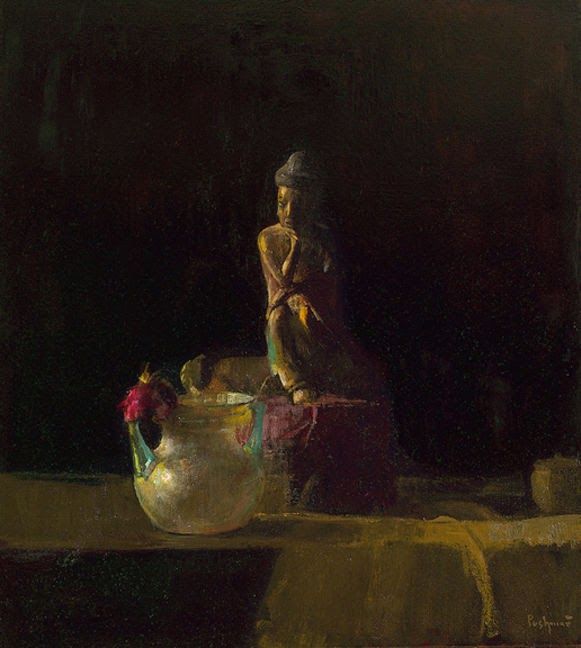
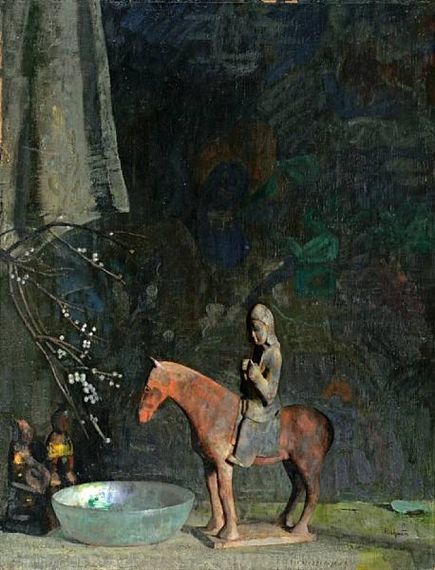
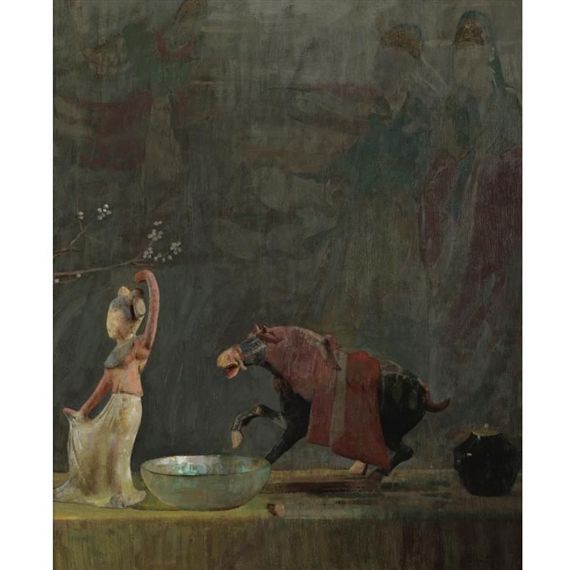
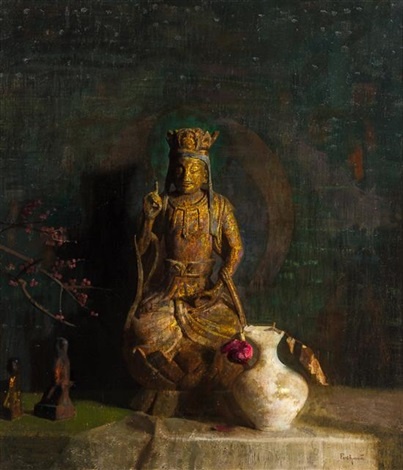
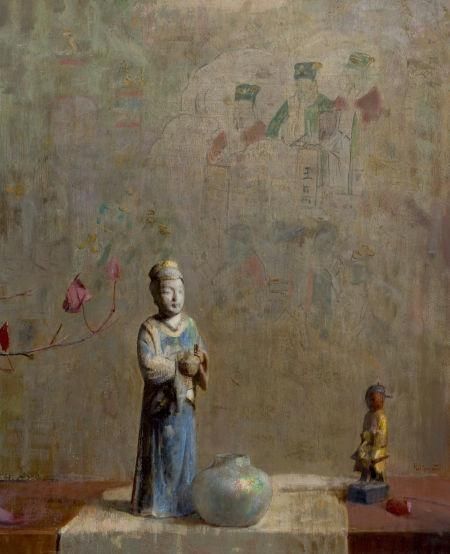
Hovsep Pushman (1877-1966) was a well-known and demanded American artist of Armenian background.
The most distinctive feature of his artistic style and unique signature was contemplative and aesthetic still life works, involving Oriental, mainly Chinese porcelain jars, vessels, manuscripts, statues and figurines of Buddha, Tang dynasty female dancers, horsemen, monks, God of War, and other Chinese deities, fused with Western and Armenian antiquities, represented against the background inspired by Chinese ancient murals, silk paintings, scroll paintings and Oriental wallpapers.
It is worth mentioning that Hovsep Pushman has traveled to China, has been fond of Chinese literature and philosophy, and was also known as an exquisite connoisseur and collector of Chinese antiquities. Moreover, he has composed poems of his own, mirroring the selection of subject matter for his paintings and the hidden messages behind them. The mentioned circumstances have shaped the formal peculiarities of his art, which is often being perceived as the visualization of an ode to the remote magics of Asia. Due to the unusual juxtapositions of Asian and Western antiquities within the compositional space, they emit with their multilayered content, nourishing the imagination of the audience.
Pushman’s artistic legacy is regarded as a specific phase of Chinese motifs and Chinese-culture-related mysticism’s evolution in American art history.
–