


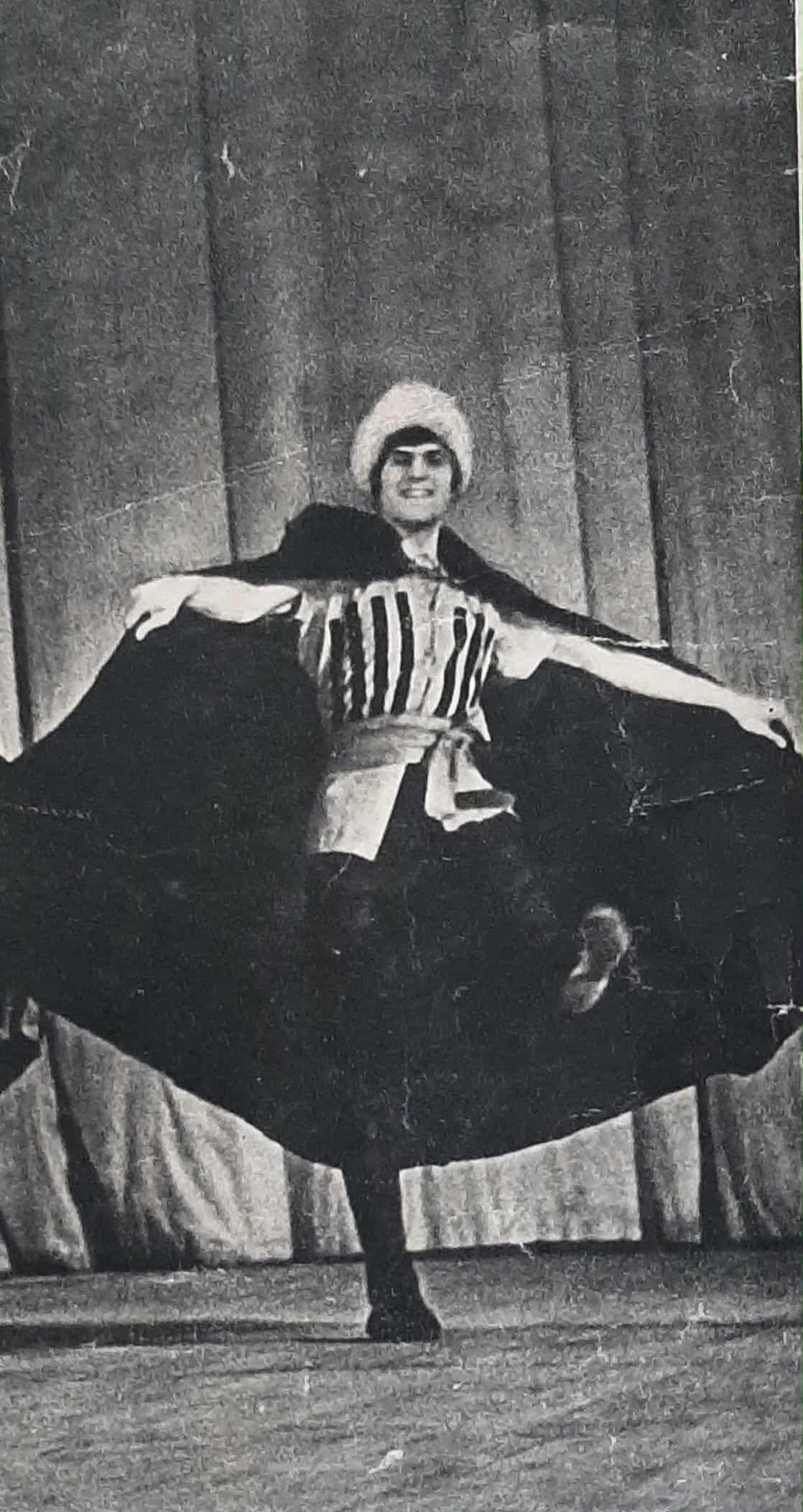
Levon Qyurdyan: The Embodiment of Armenian Dance – From Yerevan’s Studios to World Stages
Levon Qyurdyan was born in 1949 in Yerevan. His artistic journey began at the Children’s Dance Ensemble of Yerevan’s Pioneers’ Palace, where he trained for six years under Khachik Margaryan in its premier youth performance group. In 1961, he joined the celebrated "Garun" Children’s Ensemble, directed by Suren Gyanjumyan. From 1965 to 1970, Qyurdyan rose as a soloist in a new dance ensemble before joining the Armenian State Dance Ensemble under Vanush Khanamiryan, where he performed as a principal dancer until 1991.Qyurdyan’s international career launched in 1967 with a landmark tour to Hungary, followed by decades of performances across Europe,
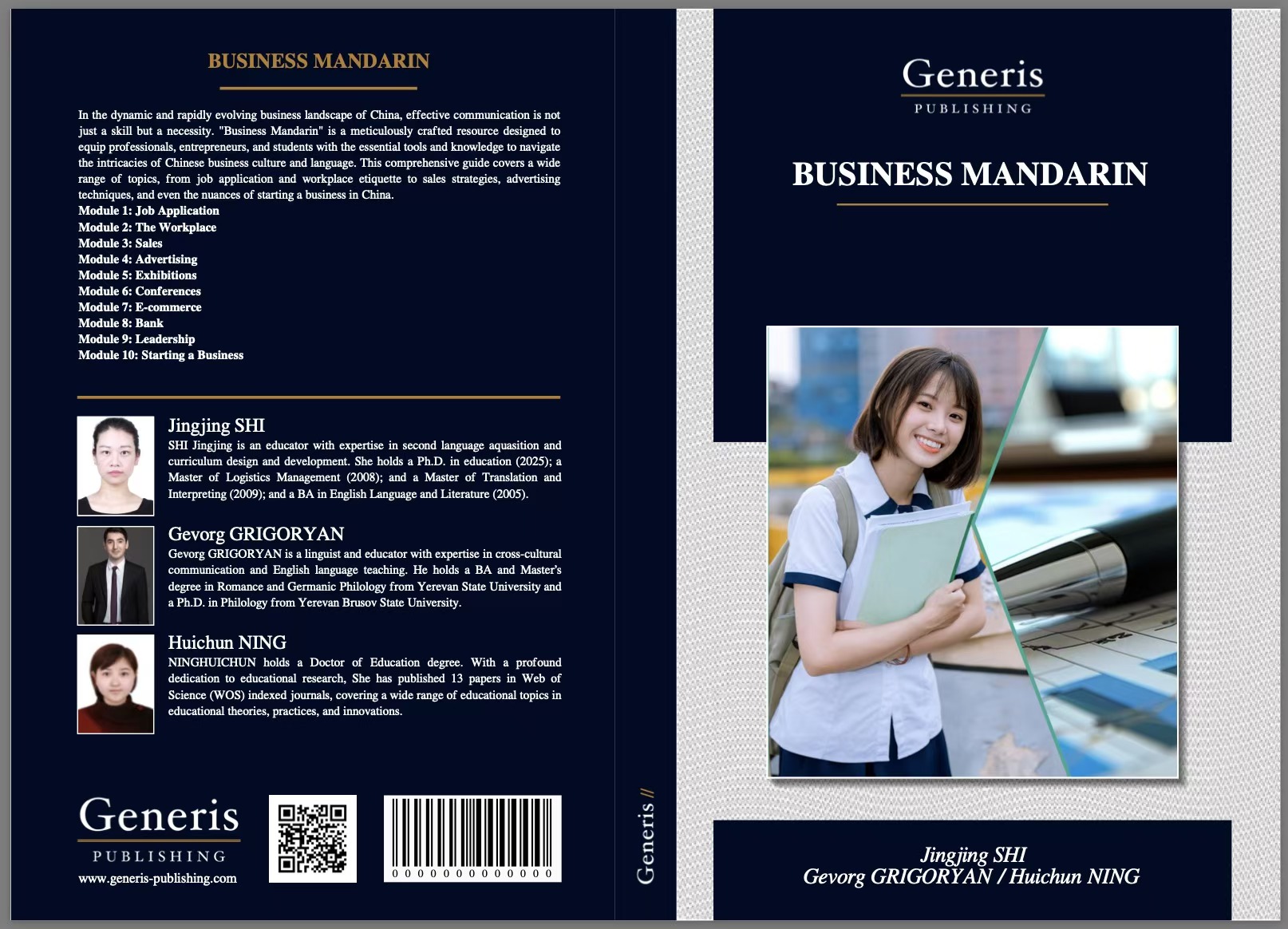
Business Mandarin Reimagined: The Armenian-Chinese Collaboration Elevating Global Professionals
The publication of Business Mandarin marks a dynamic fusion of Armenian and Chinese academic perspectives, forged through the collaboration of Dr. Gevorg Grigoryan from Tellhow Animation University and researchers Ning Huichun and Shi Jingjing of Taizhou University. This rigorous textbook, distilled into ten precisely crafted units, redefines business language education for HSK 5-6 learners by merging linguistic precision with the unspoken rules of China's corporate culture. Dr. Grigoryan's five-year immersion in China injects the work with rare cross-cultural insights, while his Chinese co-authors anchor it in local pedagogical expertise. Now circulating globally via Amazon, the book transcends conventional language manuals—it's

MirrorWorlds: An Armenian Student in China Bridging Cultures Through Virtual Reality
When Artem Muradyan first visited China as a tourist in 2018, he didn't expect to return years later as a student at Shanghai's Tongji University—or that he'd create a groundbreaking VR project merging Armenian heritage with Indonesian culture. Developed in collaboration with his Indonesian classmate, Jesslyn Ramlan, MirrorWorlds: Culture Reimagined utilizes virtual reality to transport users through symbolic mirrors, unveiling traditional attire, ornaments, ancient legends, arts, and crafts in an immersive digital space. Having participated in the Chinese Bridge competition in 2019, Artem noticed how little Chinese audiences knew about Armenia—a gap the international team filled by making cultural exchange

From Imperial Insignia to Victorian Accessory: The Transcultural Journey of Qing Rank Badges
The Purse Museum's Qing Dynasty (1636-1912) rank badge exemplifies a significant case of transcultural adaptation of imperial insignia. Originally fabricated as a buzi (补子) between approximately 1750-1850, this silk embroidery panel was executed using the kesi tapestry technique with gold-wrapped silk threads. As stipulated in the 1759 Huangchao liqi tushi (《皇朝礼器图式》), the badge's specific zoomorphic motif—whether crane (denoting civil officials) or qilin (indicating military ranks)—precisely designated the wearer's position within the Qing bureaucratic hierarchy.The artifact's conversion into a purse occurred during the height of Anglo-Chinese trade relations following the First Opium War (1839-1842) and subsequent to the Second Opium War

Armenian traditional attire of Artsakh proudly showcased in China
Lilit Dallakyan, a dedicated board member of the Armenian Student Association of China (ASAC) and passionate cultural advocate, has become an ambassador of Armenian traditions in Qingdao. Her most recent cultural presentation at Qingdao University's International Festival showcased the vibrant Artsakh national costume from the exclusive ChinArmArt collection, featuring its striking red and green color palette and elegant silhouette, which drew admiration against the city's scenic backdrops.The exhibition offered attendees a comprehensive immersion into Armenian culture. Alongside the exquisite Artsakh taraz, Dallakyan presented an authentic culinary experience featuring traditional dishes, including lahmajoun, harissa, and tabbouleh, accompanied by Armenian cheeses, as