


The Chinese porcelain- an integral part of the GILDED AGE American artistic vision
by Ani Margaryan The Preservation Society of Newport County posted an artwork on its website that is of great interest within the context of Sino-American cultural interactions. An oil-on-canvas painting entitled "The Chimney Corner" (1878) by David Maitland Armstrong (American, 1836-1918) depicts a young Edward Maitland Armstrong seated at the tiled chimney-corner of the family's Danskammer estate outside Newburgh, New York. The viewer's eyes are drawn to the sumptuous fireplace wall abundantly decorated with the carefully arranged Chinese, supposedly also Japanese and European-made blue-and-white ceramics. The canvas showcases not only the exquisite taste of the artist and his interest in Chinese export

Links between the Mask of Agamemnon and the Chinese bronze ding vessel
by Ani Margaryan This is the Mask of Agamemnon (中文:阿迦门农面具,迈锡尼) - a gold funeral mask (16th century BCE) discovered at the ancient Greek site of Mycenae. The mask, displayed in the National Archaeological Museum of Athens, has been described by Cathy Gere as the "Mona Lisa of prehistory". It is found in Tomb V in Mycenae by Heinrich Schliemann in 1876.The mask depicts the imposing face of a bearded nobleman. It is made of a gold sheet with repoussé details. Two holes near the ears indicate that the mask was held in a place of the deceased's face with twine. The
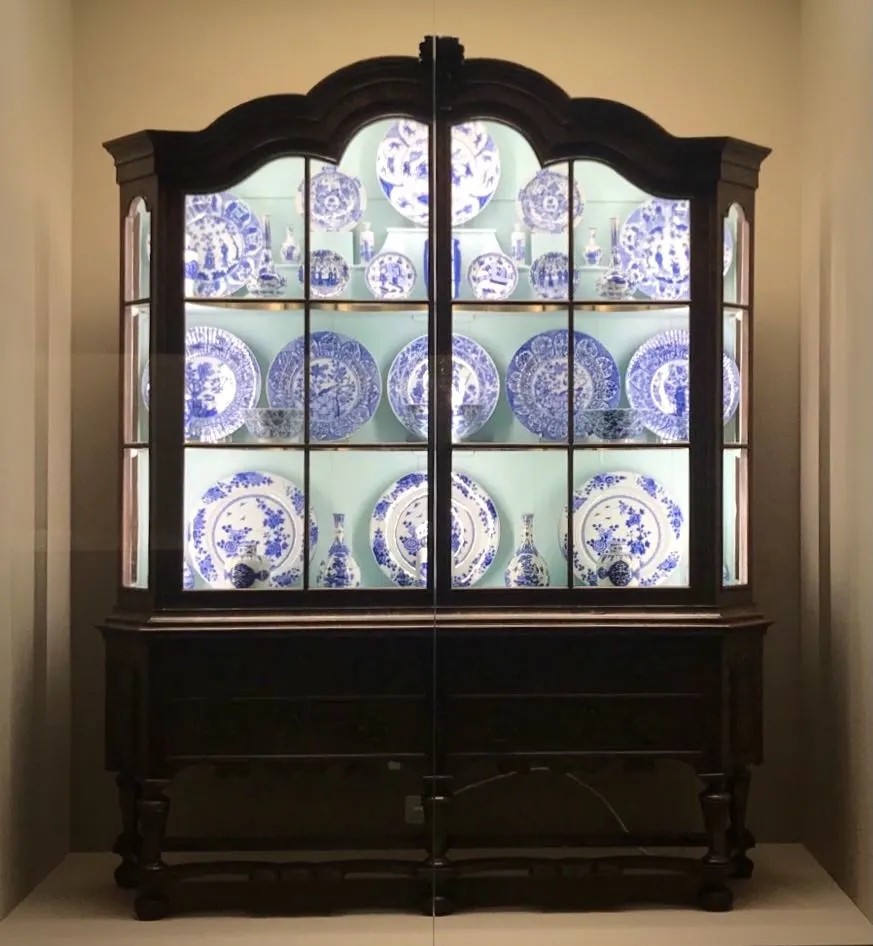
Shanghai exhibits the rare porcelain works as reflections of cultural dialogue between China and Europe
Shanghai Museum turned to the ceramic trade and cultural exchanges between China and Europe during the 16th and 18th centuries, to unveil a long history of Western and Eastern communication and to display China's ceramics impact on the the aesthetics, handicraft industry, and interior decorations of Europe. Among the exhibits are the underglazed blue and black bowl with a multi-heads beast and inscriptions in Latin (mid 17th century, permanent collection of the Victoria and Albert Museum), Meissen porcelain samples supported by Augustus the Strong (18th century Electorate of Saxony), the exquisite ceramics' cabinet from the Netherlands (18th century, permanent collection of
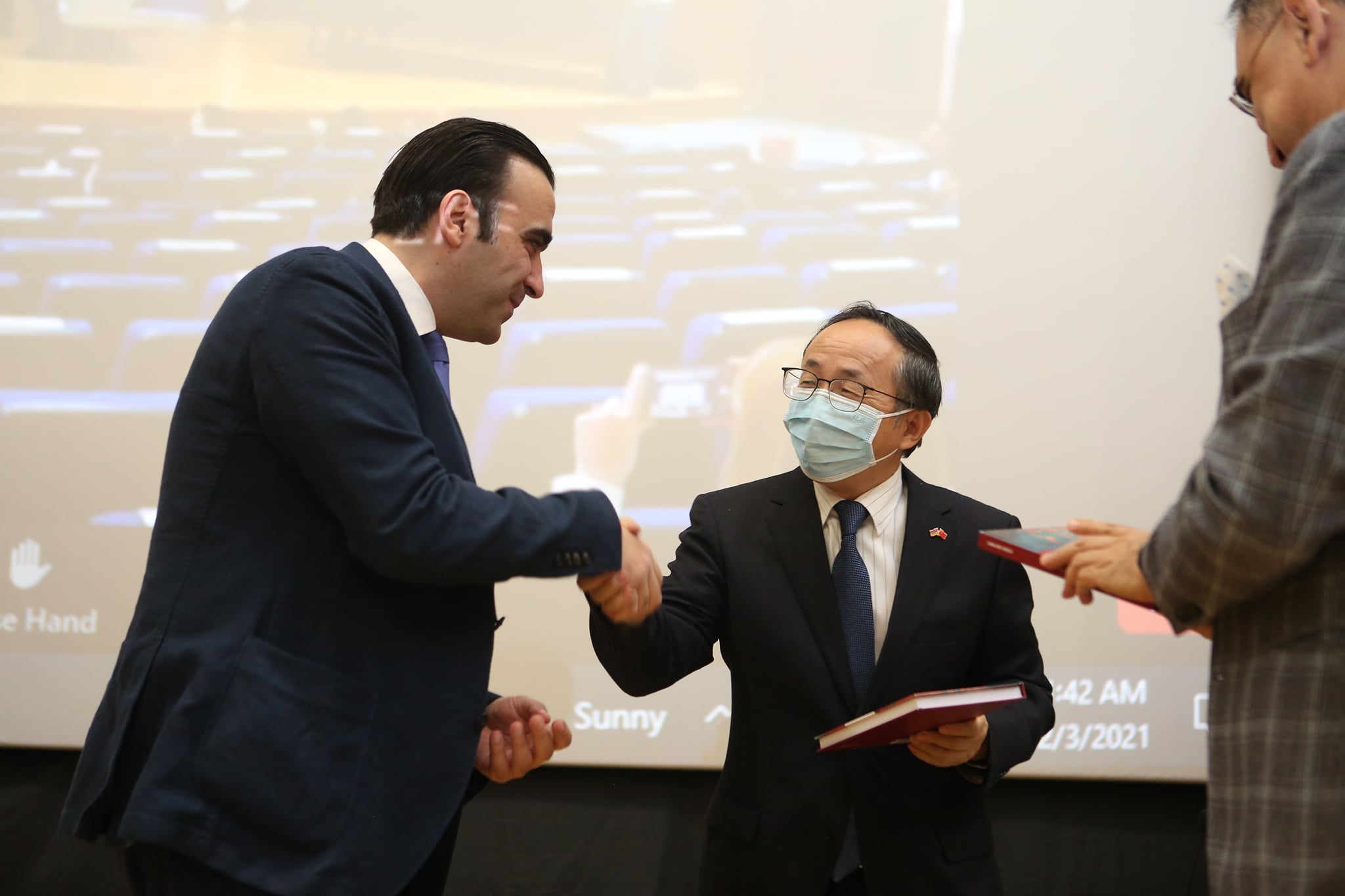
ARMENIA HOSTED THE INTERNATIONAL CONFERENCE “EURASIAN RESEARCH ON MODERN CHINA AND EURASIA”
The "China-Eurasia" international conference was held on December 3-4, 2021, at the Armenian-Russian (Slavonic) University. As reported by Armenpress, it was organized by the "China-Eurasia" Council for Political and Strategic Research և Russian-Armenian University - RAU. The conference is supported by the Embassy of the People's Republic of China in Armenia. Mher Sahakyan, Founding Chairman of the Organizing Committee of the "China-Eurasia" international conference, Candidate of Political Science, noted that the main goal of the event is to turn it into an international platform for scientific discussions on the relations between China and the Eurasian countries. He emphasized the idea that the
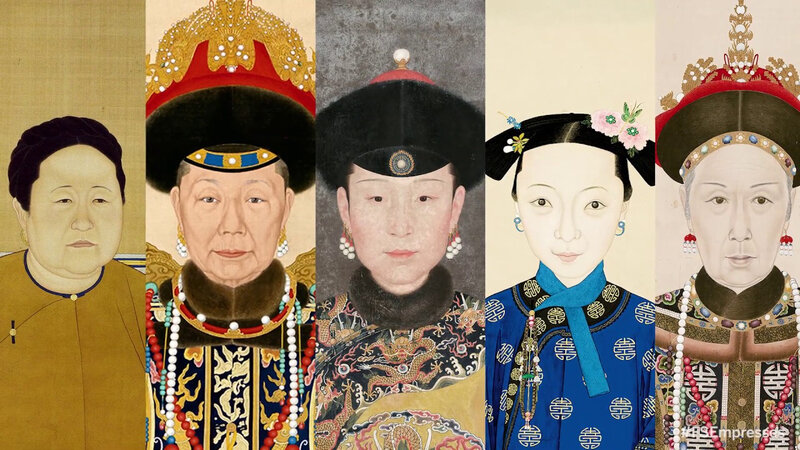
Veiled world of Chinese empresses on display in the United States
“Empresses of China’s Forbidden City, 1644–1912” was held at the Smithsonian’s Arthur M. Sackler Gallery in the year 2019. This major international exhibition explored empresses’ lives during the emperor-centric Qing dynasty. Despite the empresses’ accomplishments and status, they are largely missing from Qing court history. Through imperial portraits, narrative paintings, furnishings, attire (jewelry and costume), and religious art, the exhibition reveals and fills in the little-known details about the world of these women and how they were able to influence court history in many spheres, including religion, art, and politics. Nearly 135 objects made for, by, and about the empresses