“The Blood of Armenia”: French Icon Émile Gallé’s Artistic Advocacy for Armenia’s Struggle
Design and art serve as powerful symbolic languages, voicing resistance against atrocities and human devastation while advocating for those silenced by oppression.
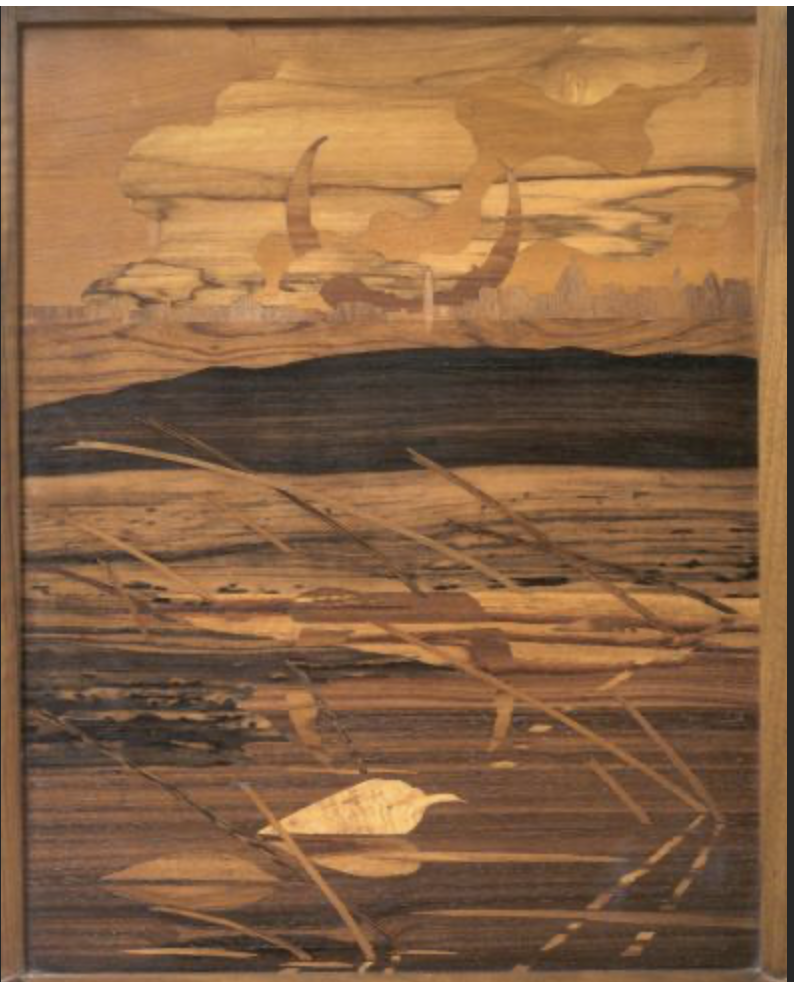
A poignant example of this is a remarkable piece of furniture housed at Le Petit Palais Museum in Paris, titled The Blood of Armenia or The Field of Blood. This masterpiece, created by Émile Gallé for the 1900 Exposition Universelle in Paris, reflects the artist’s deep concern for the Armenians who suffered under the brutal regime of Ottoman Sultan Abdul-Hamid II, often referred to as the “Red Sultan” due to the massacres he orchestrated against the Armenian population during the 1890s.
Gallé’s work masterfully combines materials and imagery to evoke the tragedy. The piece’s structure is crafted from Turkish walnut, symbolizing the setting of the atrocities, while the marquetry employs peach wood, a tree deeply associated with Armenia’s cultural and natural heritage. The decorative elements are equally evocative: flattened tulips swept away by an ominous wind symbolize destruction and grief, while the sides of the commode depict cities engulfed in flames alongside silhouetted minarets, unmistakably referencing the locations of the massacres.
Enhancing its message, Gallé inscribed a haunting line from Victor Hugo’s La Légende des siècles (The Legend of the Ages), specifically from the poem Le Cercle des tyrans: “Beware of obscure equity, beware.” This quote underscores the commode’s symbolic content, resonating as both a warning and a plea for justice against tyranny.
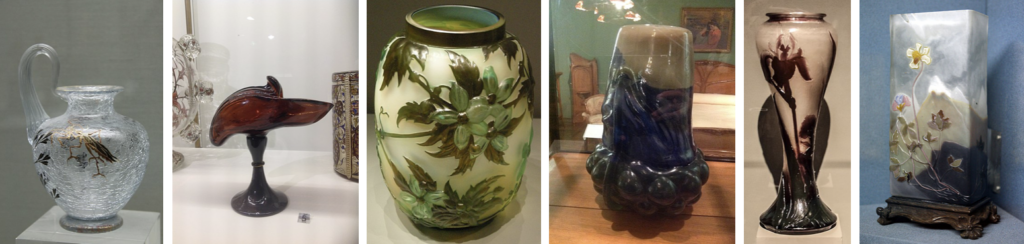
The piece not only exemplifies Gallé’s artistry but also reveals his profound humanism. Known as a staunch defender of human rights and a supporter of Captain Dreyfus during the infamous Dreyfus Affair, Gallé was deeply committed to social justice. Art critic Roger Marx aptly described Gallé as “homo triplex”—a man of three disciplines: glassmaker, ceramicist, and cabinetmaker.
Émile Gallé (1846–1904), a pioneering figure in the French Art Nouveau movement, was celebrated for his innovative designs in glass and furniture. As a founder of the École de Nancy (Nancy School), Gallé championed the integration of artistic craftsmanship with humanist ideals, making his works not just objects of beauty but also vehicles of profound social and political commentary.