


A New Chapter in Sino-Armenian Relations: Introducing Armenian Classical Poetry to China
The Beijing Writers Publishing House released the Anthology of Armenian Poetry, a selection of Armenian classical poetry translated into Chinese, at the end of last year. The anthology was compiled and translated by the young Chinese Armenologist Yan Xin. The collection begins with the Songs of Goghtn, followed by works from medieval poets such as Grigor Narekatsi, Nerses Shnorhali, Frik, and Sayat-Nova, as well as examples of antunis and hayrens (traditional Armenian poetic forms).Nineteenth-century Armenian poetry is richly represented in the volume, featuring works by Ghevond Alishan, Mkrtich Beshiktashlian, Nahapet Rusinian, Bedros Duryan, Mikayel Nalbandian, Raphael Patkanian, Raffi, Garegin Srvandztiants,
An Archaeological Discovery of Early Prosthetic Technology Innovation in Ancient China
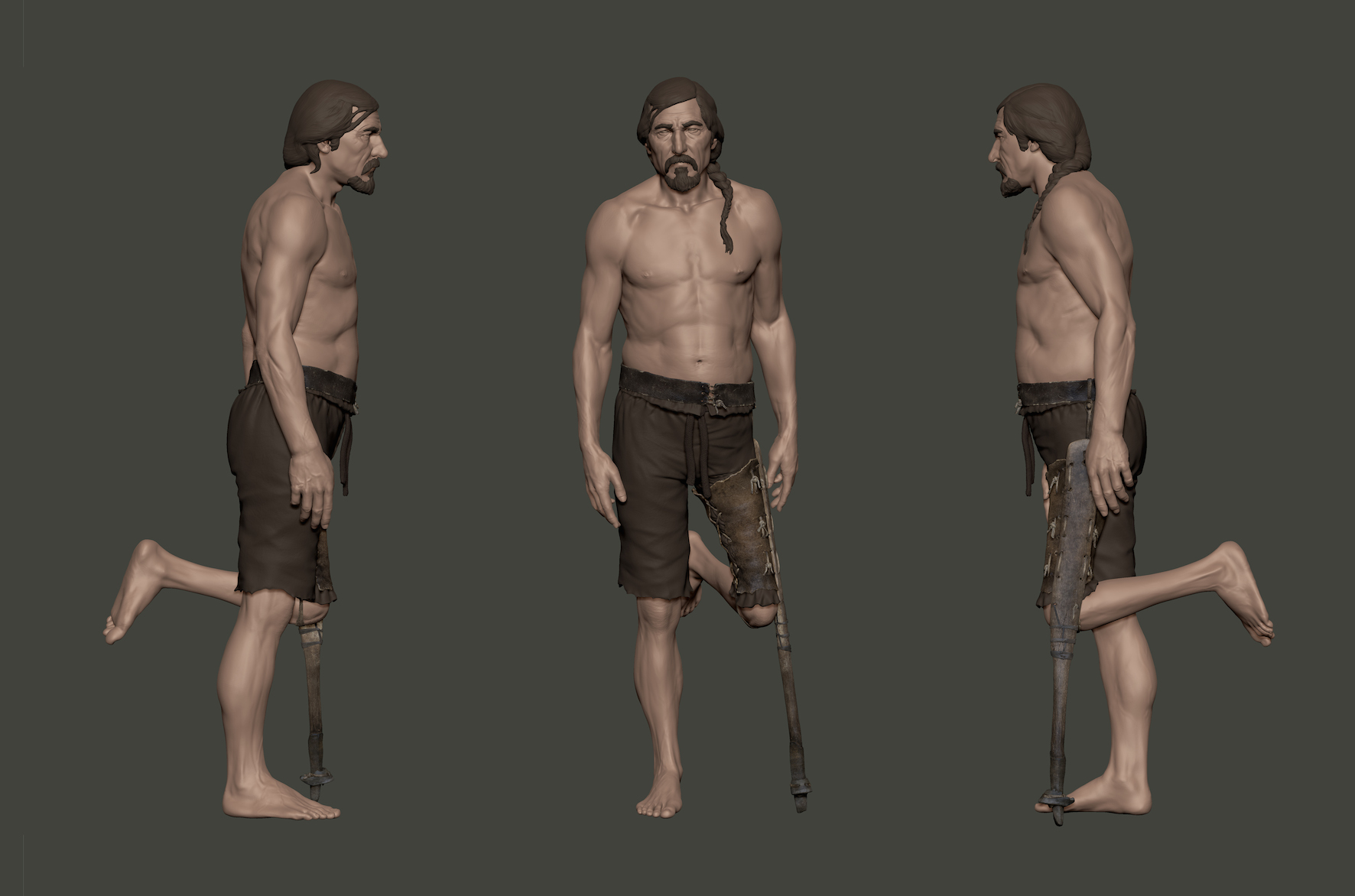
In 2007, archaeologists working in the Turpan region of western China discovered a 2,200-year-old prosthetic leg within a tomb located near the ancient Silk Road. The prosthetic, composed of poplar wood, features seven perforations along its sides, through which leather straps were threaded to secure the device to the individual's deformed leg. The lower portion of the prosthetic is cylindrical, wrapped with ox horn, and tipped with a horse's hoof, likely designed to improve adhesion and reduce wear. Radiographic studies of the remains show that the individual had a fused left knee, likely resulting from inflammation due to rheumatism or
Aso O. Tavitian: Chinese Objet d’Art from the Collection of a Renowned Armenian-American Philanthropist
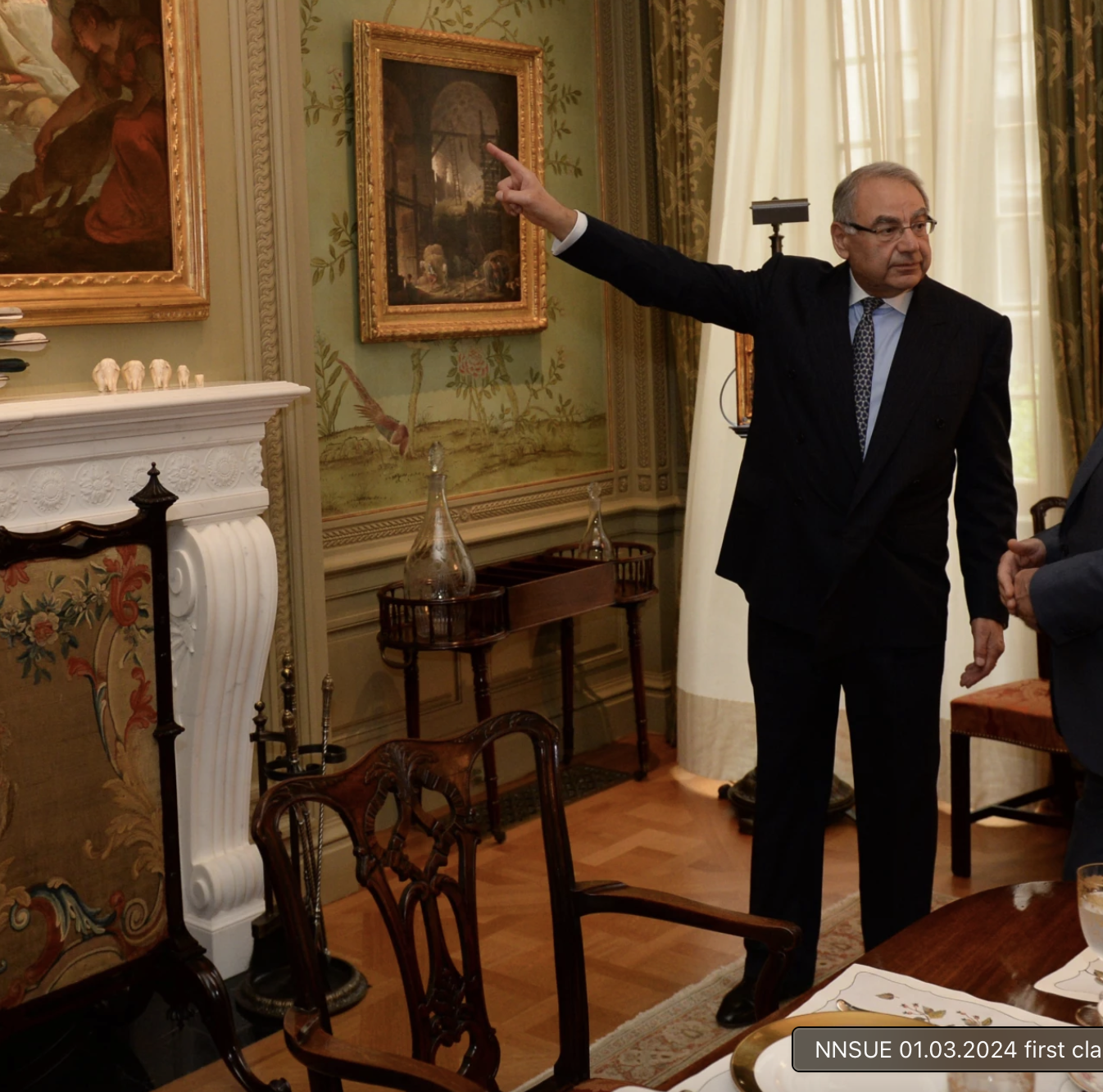
Sotheby’s will present The Vision of Aso O. Tavitian, a collection reflecting the diverse interests of Aso Tavitian, an avid collector. This collection will be offered in four sales during Master’s Week New York in early February 2025. The quality and scope of the collection highlight Tavitian's role as a collector, philanthropist, and connoisseur.Aso (Asatour) O. Tavitian (1940-2020), of Armenian origin, emigrated from Bulgaria to New York City as a Cold War refugee. He initially worked as a taxi driver before earning a scholarship to Columbia University, where he completed a Master’s in Nuclear Physics. His education was partially funded
Building Connections: Chinese Boya Research Center Delegation Welcomed by Catholicos of All Armenians
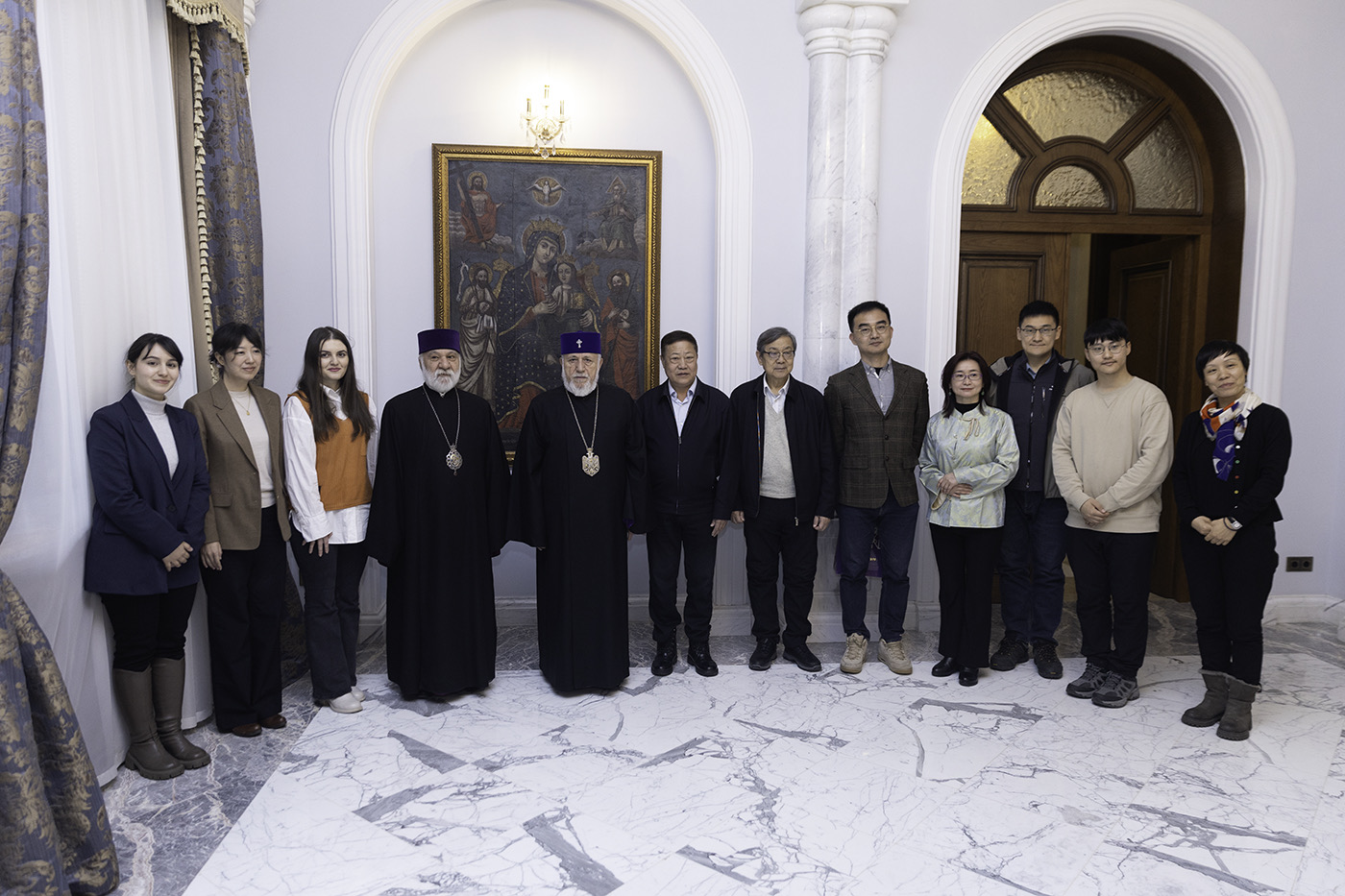
On January 13, His Holiness Karekin II, Supreme Patriarch and Catholicos of All Armenians, welcomed a delegation from the Boya Research Center (Beijing) led by Rui-qi Liu, Honorary President of the center, at the Mother See of Holy Etchmiadzin.The delegation introduced the Boya Research Center's programs and activities and the purpose of their visit to Armenia: to study Armenian culture, traditions, and history.His Holiness expressed his appreciation for the initiative of the Chinese center in Armenia, highlighting the important role of Holy Etchmiadzin in the life of the Armenian people. He emphasized the vital contribution of the Christian faith in

Silk Road Splendor: The Art and Legacy of Ming and Qing Embroidery Exhibited in Huai’an
On January 11, 2025, the "Silk Road Splendor: Ming and Qing Weaving and Embroidery Clothing Art Exhibition" opened at the Huai'an Cultural Center. This exhibition explores the role of weaving and embroidery in Chinese material culture, particularly during the Ming and Qing Dynasties. These textiles were integral to the cultural exchanges along the Silk Road, which facilitated the spread of Chinese silk and embroidery techniques globally. From the 17th century onward, Chinese-inspired designs influenced Western fashion, with "Chinese style" motifs becoming prominent in European garments. Export embroidery also played a significant role during the Qing Dynasty, as it became an