An Archaeological Discovery of Early Prosthetic Technology Innovation in Ancient China
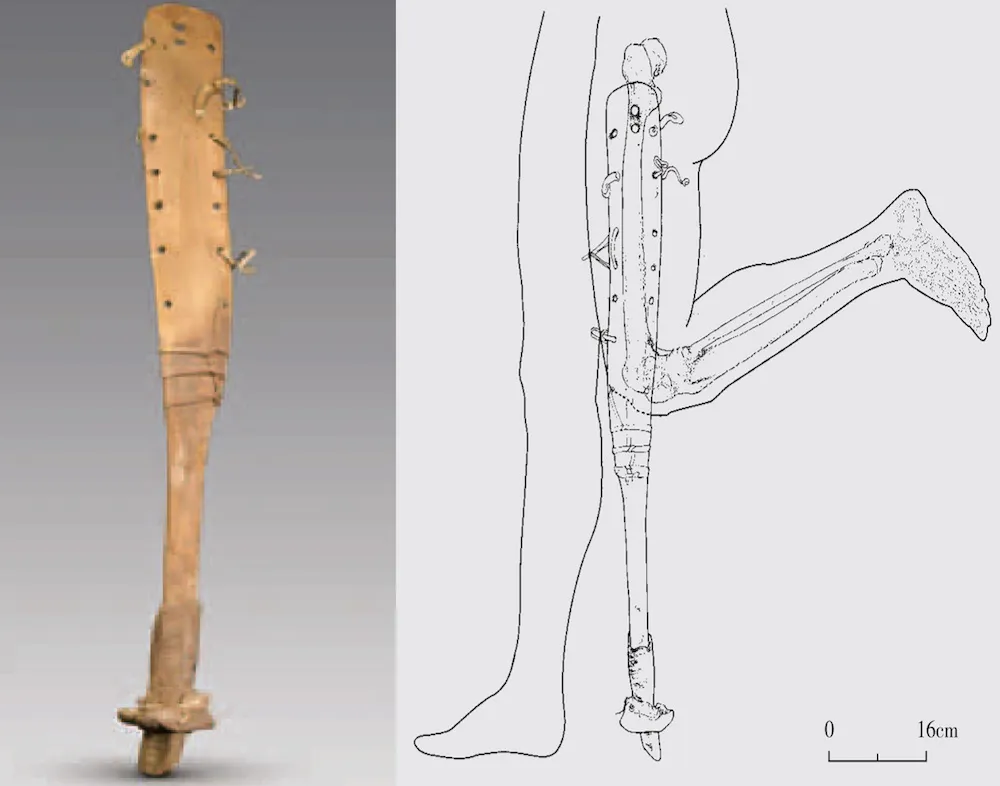
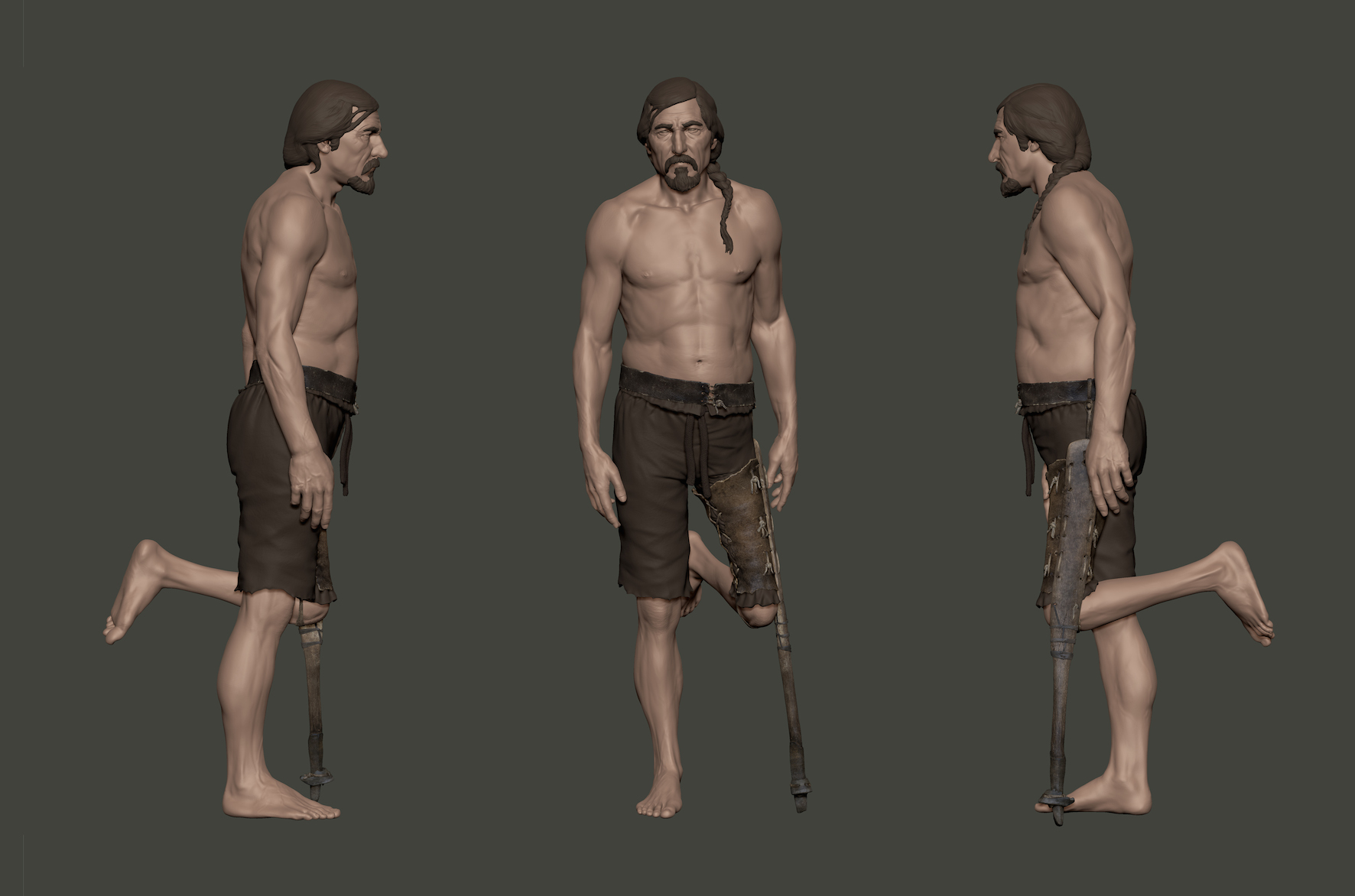
In 2007, archaeologists working in the Turpan region of western China discovered a 2,200-year-old prosthetic leg within a tomb located near the ancient Silk Road. The prosthetic, composed of poplar wood, features seven perforations along its sides, through which leather straps were threaded to secure the device to the individual’s deformed leg. The lower portion of the prosthetic is cylindrical, wrapped with ox horn, and tipped with a horse’s hoof, likely designed to improve adhesion and reduce wear. Radiographic studies of the remains show that the individual had a fused left knee, likely resulting from inflammation due to rheumatism or trauma. The man was between 50 and 65 years old at the time of death, and wear patterns on the prosthesis indicate that it had been in use for an extended period. Additional grave goods found in the tomb included ceramic cups, a jar, and wooden artifacts, suggesting the individual’s relatively modest socio-economic status. The findings, published in journals such as Chinese Archaeology, Bridging Eurasia, and Quaternary International, provide insight into the early use of prosthetic technology and the functional adaptations of individuals with physical impairments in ancient societies. This discovery also contributes to disability studies by expanding the understanding of how individuals with disabilities navigated their physical environments. The intersection of archaeological, art historical, and medical knowledge further enriches these insights, demonstrating the complex ways in which physical impairments were addressed through material culture.
The discovery of the prosthetic leg in the Shengjindian cemetery near Turpan offers critical evidence of early medical and technological practices in ancient China. The prosthetic device, made of poplar wood and reinforced with ox horn and a horse’s hoof, was designed for long-term use, as indicated by signs of wear on the hoof. The presence of leather straps for attachment suggests an advanced understanding of how to secure the prosthetic to the body. Radiographic analysis of the man’s skeletal remains revealed ankylosis in the left knee joint, a condition resulting in the fusion of bones, likely caused by chronic inflammation or trauma. This condition would have significantly impaired the individual’s ability to walk, making the prosthetic leg essential for mobility. The individual’s age at death is estimated to be between 50 and 65 years, and the nature of the prosthesis suggests a prolonged period of adaptation to the device. The tomb also contained modest grave goods, including ceramic cups, a jar, and wooden items, which provide further context to the individual’s life and social status. This discovery contributes to the understanding of early prosthetic technology, highlighting both the functional and cultural significance of such devices in ancient societies. Furthermore, it offers new perspectives for disability studies, linking physical adaptations to broader cultural and historical narratives. The interconnections between archaeology, art history, and medical research allow for a multidisciplinary approach to understanding the role of disability in ancient societies, demonstrating how material culture reflects the lived experiences of individuals with physical impairments.
Based on radiocarbon dating results, archaeologists suggested in Chinese Archaeology that the individuals buried in the cemetery may have belonged to the Gushi population. Limited information is available regarding these people. Ancient Chinese texts indicate that the Gushi established a small state. According to the Xiyu zhuan (Account of the Western Regions) in the Hanshu (Book of Han, by Ban Gu), during the mid-Western Han period, the Gushi population resided in the Turfan Basin. It was part of one of the “Thirty-six States of the Western Regions” during the Qin and Han Dynasties. According to historical records, the Gushi state was incorporated into the Han Dynasty following a military conquest in the first century B.C. As the study of Gushi culture is still in its early stages, the cemetery provides significant new material for research. Excavations at the site were carried out between 2007 and 2008 by researchers from the Academia Turfanica, a research institute.