Silk Road Splendor: The Art and Legacy of Ming and Qing Embroidery Exhibited in Huai’an
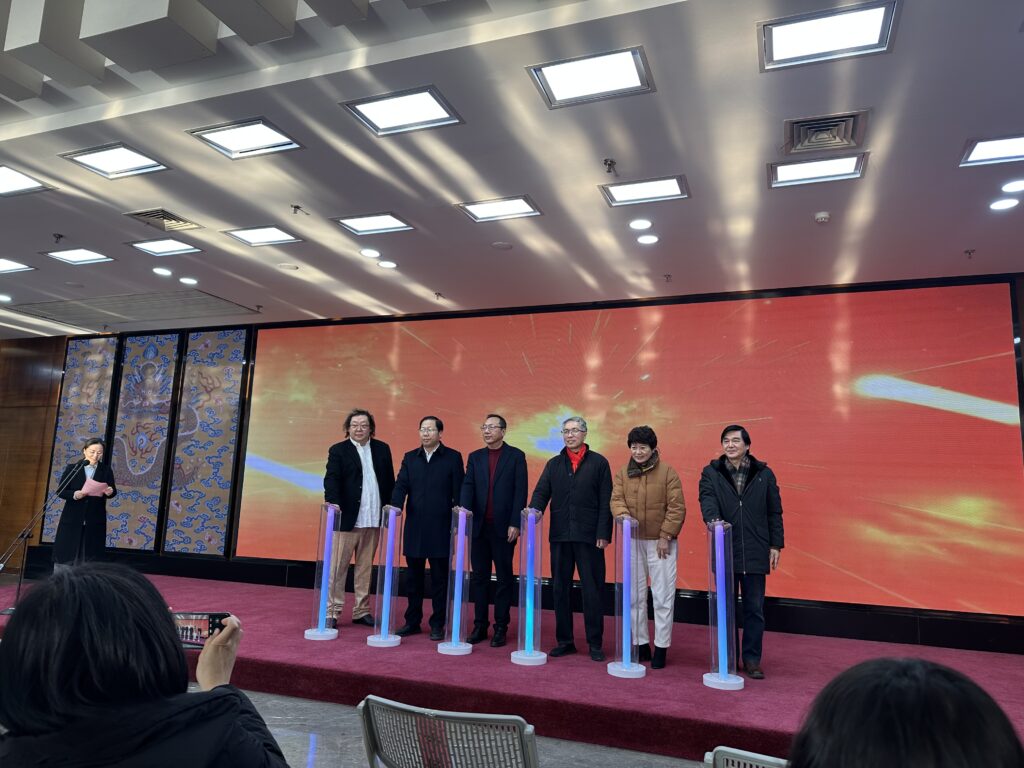
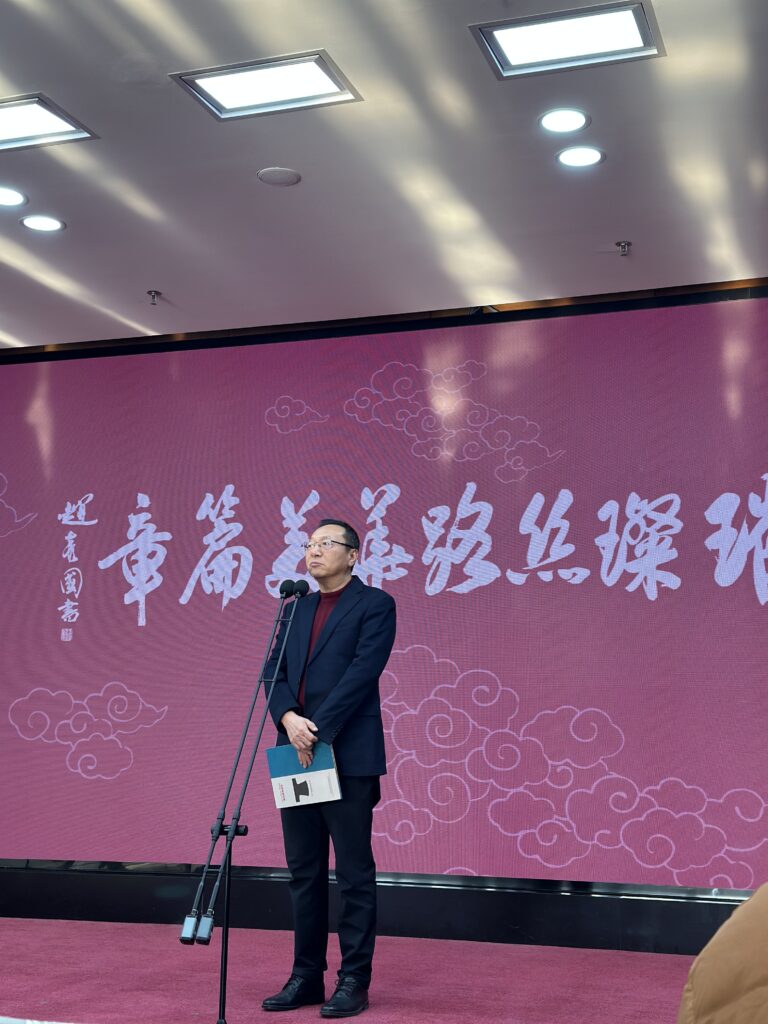
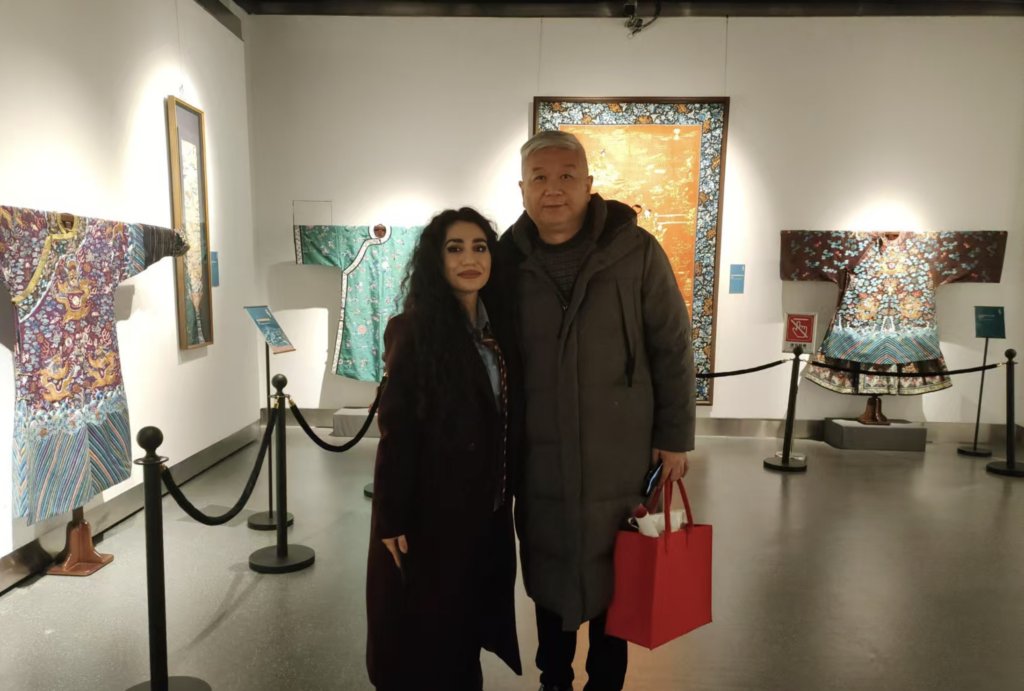
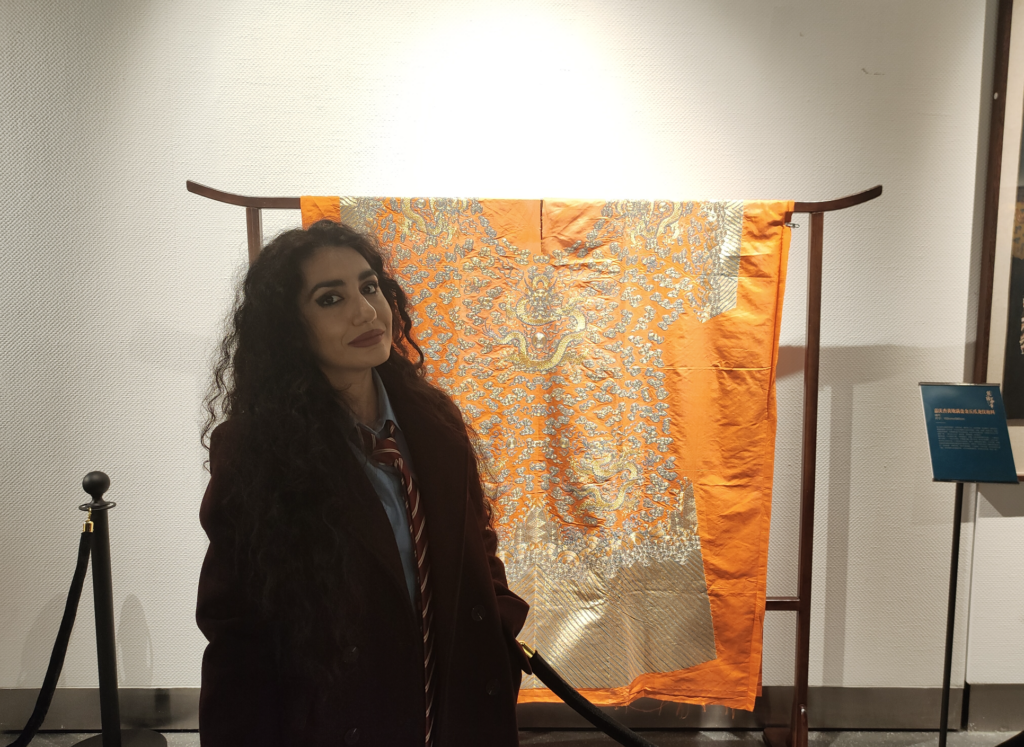
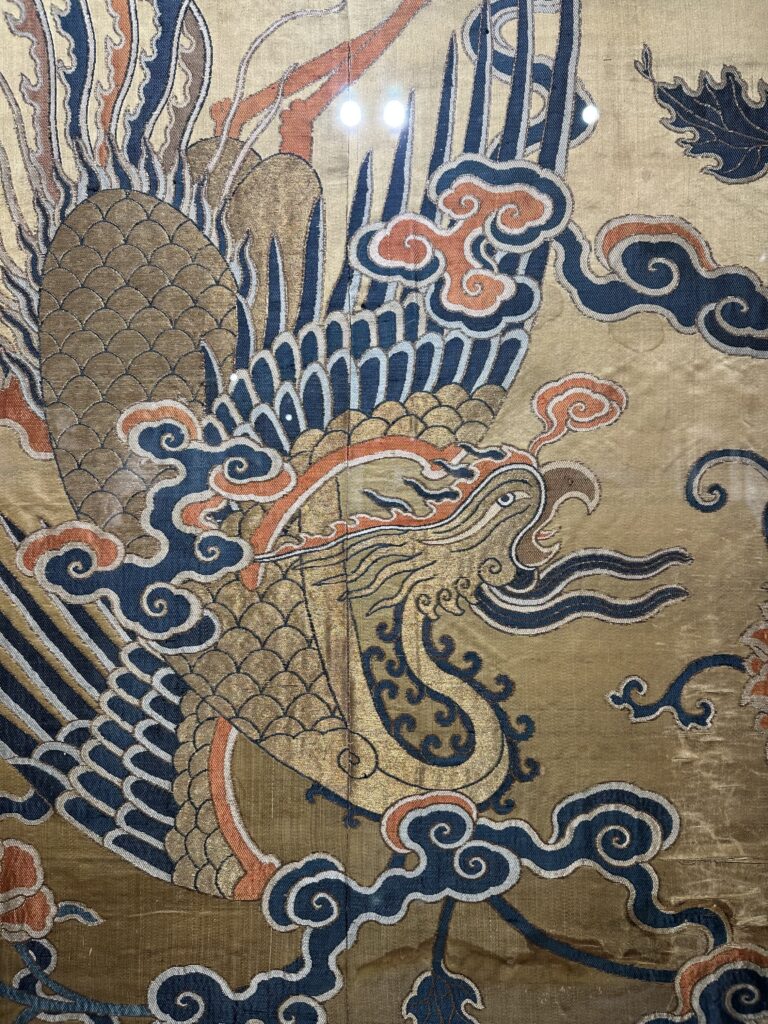
On January 11, 2025, the “Silk Road Splendor: Ming and Qing Weaving and Embroidery Clothing Art Exhibition” opened at the Huai’an Cultural Center. This exhibition explores the role of weaving and embroidery in Chinese material culture, particularly during the Ming and Qing Dynasties. These textiles were integral to the cultural exchanges along the Silk Road, which facilitated the spread of Chinese silk and embroidery techniques globally. From the 17th century onward, Chinese-inspired designs influenced Western fashion, with “Chinese style” motifs becoming prominent in European garments. Export embroidery also played a significant role during the Qing Dynasty, as it became an important commodity in international trade.
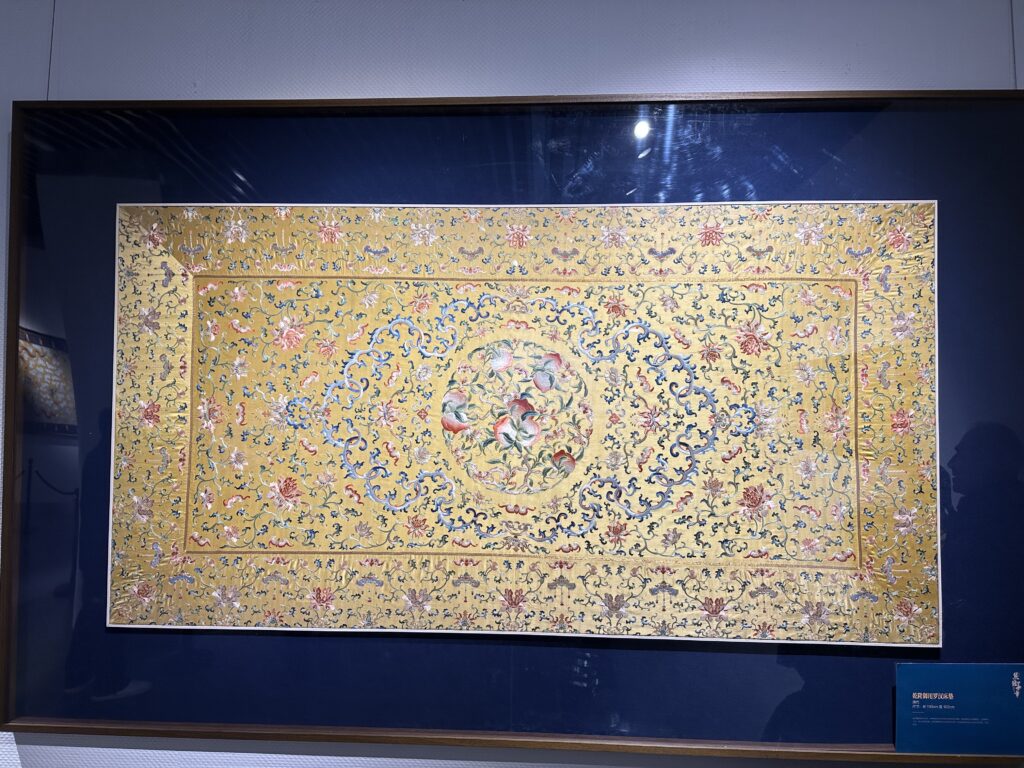
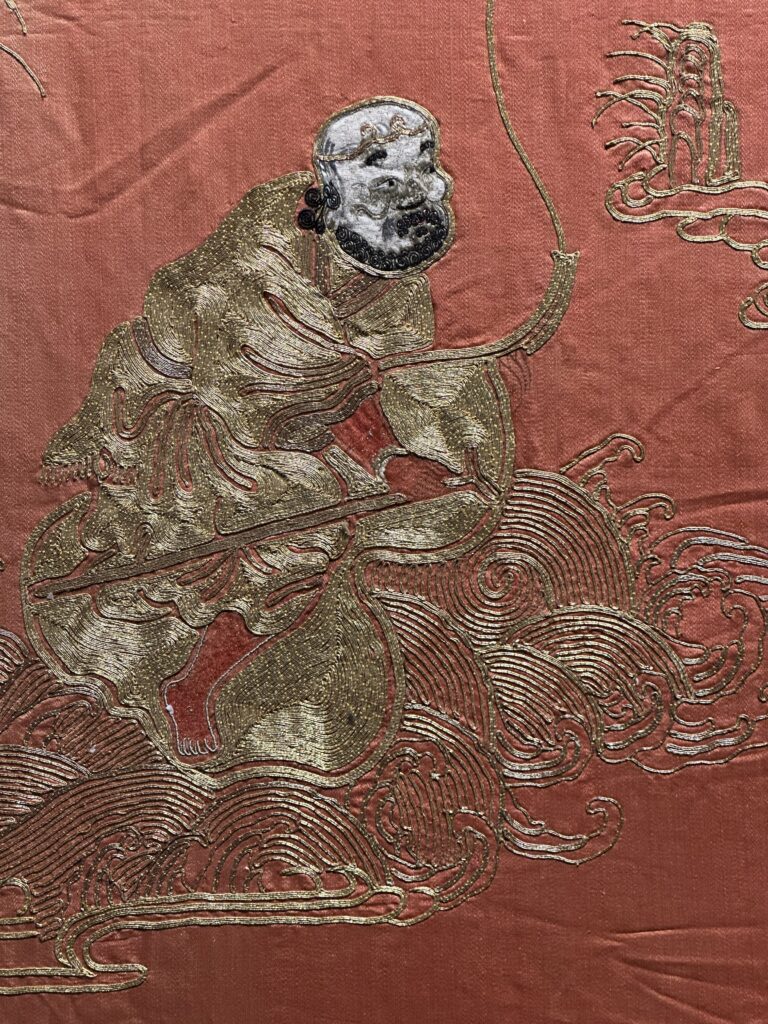
In the Ming and Qing periods, textiles produced in Southern China, especially those woven and embroidered using techniques like brocade and kesi, were transported along the Grand Canal to the imperial court in the north. These textiles influenced the development of court attire and imperial fashion. Today, brocade, kesi, and Su embroidery are recognized as key elements of China’s intangible cultural heritage, and they are studied for their historical, technical, and cultural significance.
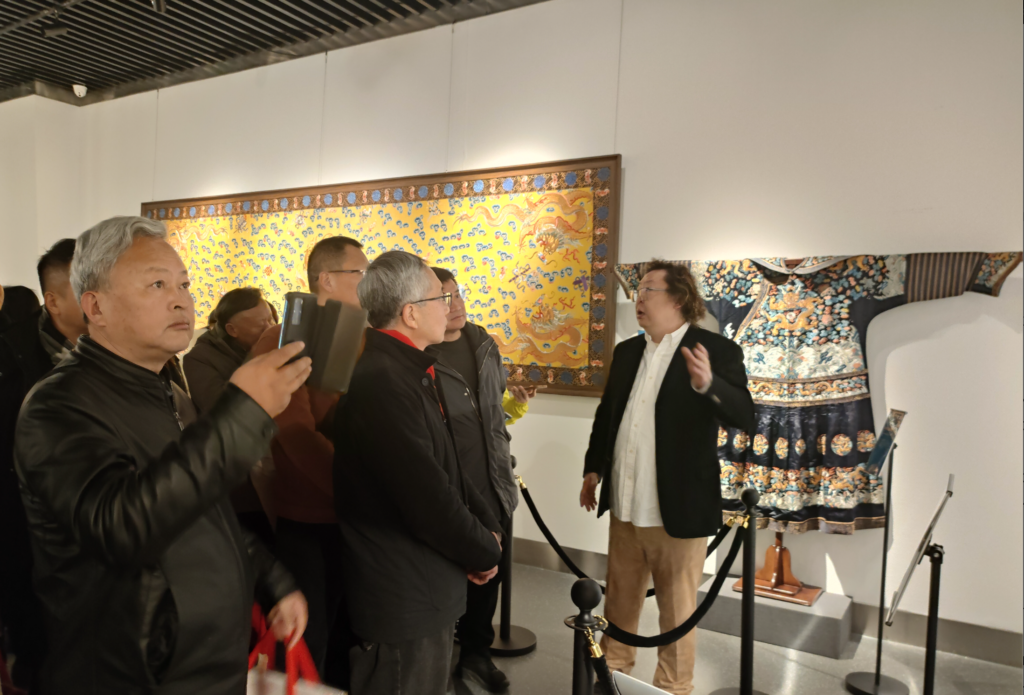
The exhibition features a collection of textiles primarily drawn from the holdings of Mr. Gu Weijing, a notable collector of Ming and Qing woven and embroidered garments. The objects include both court textiles and more commonly produced garments, showcasing the technical precision and design evolution of Chinese silk weaving and embroidery. These textiles offer a direct connection to the historical context in which they were created, reflecting the material culture of the time.
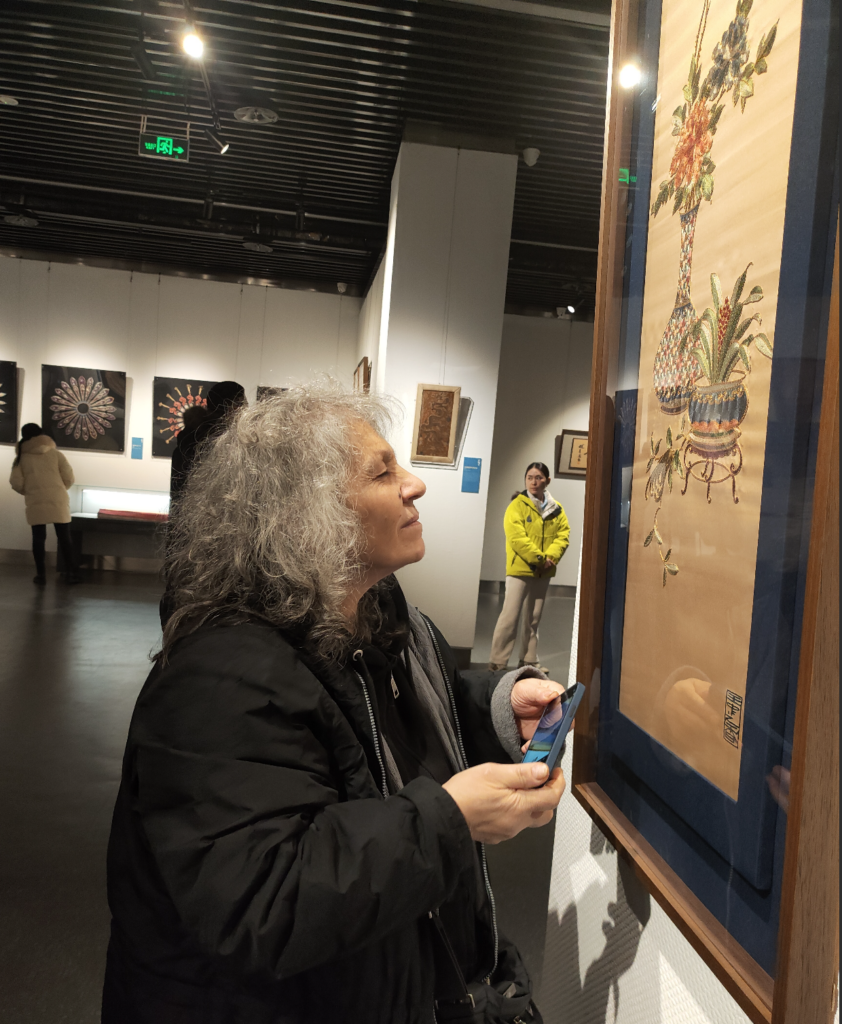
The opening ceremony brought together prominent scholars, researchers, and experts from various Chinese universities, museums, and research institutions. Among the foreign scholars present was Dr. Ani Margaryan, a post-doctoral fellow at Soochow University and an Armenian art historian. The ceremony facilitated academic discussions on the exhibition’s themes, offering an opportunity for participants to exchange knowledge on the broader implications of Chinese textile arts in the global historical and cultural landscape.
After the ceremony, attendees engaged in further discussions, sharing their perspectives on the exhibition and exploring the cultural and technical aspects of the textiles. These discussions provided a platform for networking and collaboration between professionals in the field of textile studies and material culture.
This exhibition highlights the ongoing significance of traditional Chinese textiles in contemporary research and fashion. It reflects the efforts of Huai’an, Jiangsu, and the exhibition’s organizers to preserve and promote China’s cultural heritage. By focusing on the technical, historical, and cultural aspects of Ming and Qing textiles, the exhibition contributes to a broader understanding of China’s role in the development of global textile traditions.