Theodore Wores: The pioneer of Chinese themes in American Art
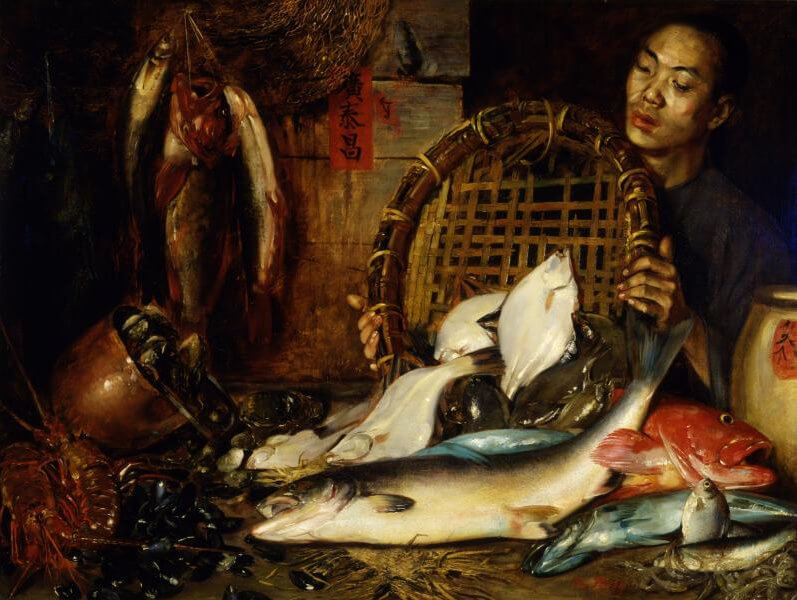
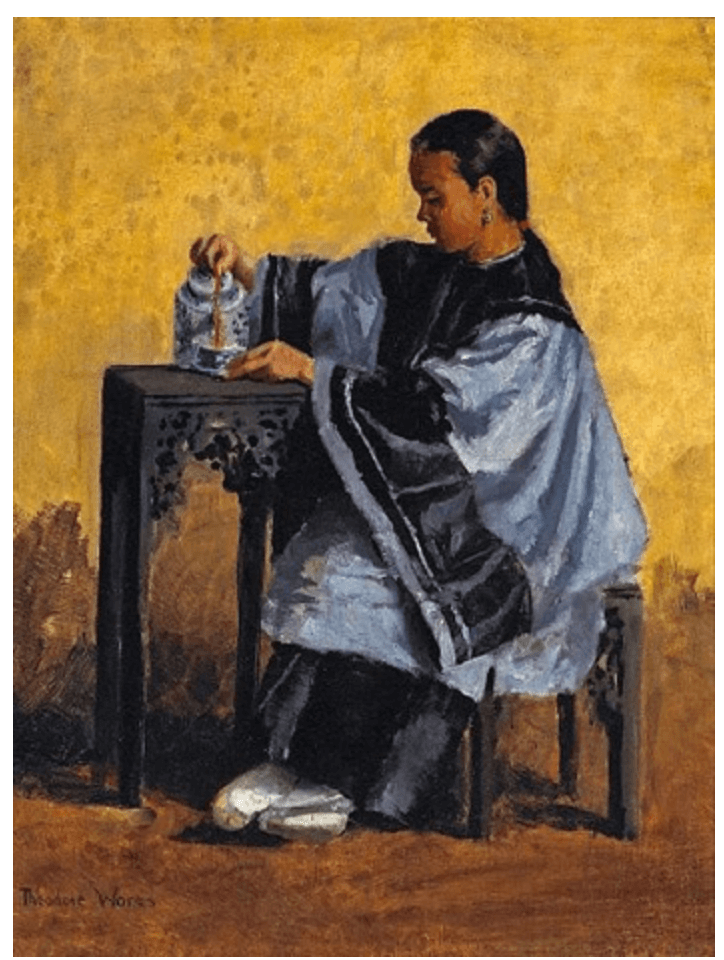
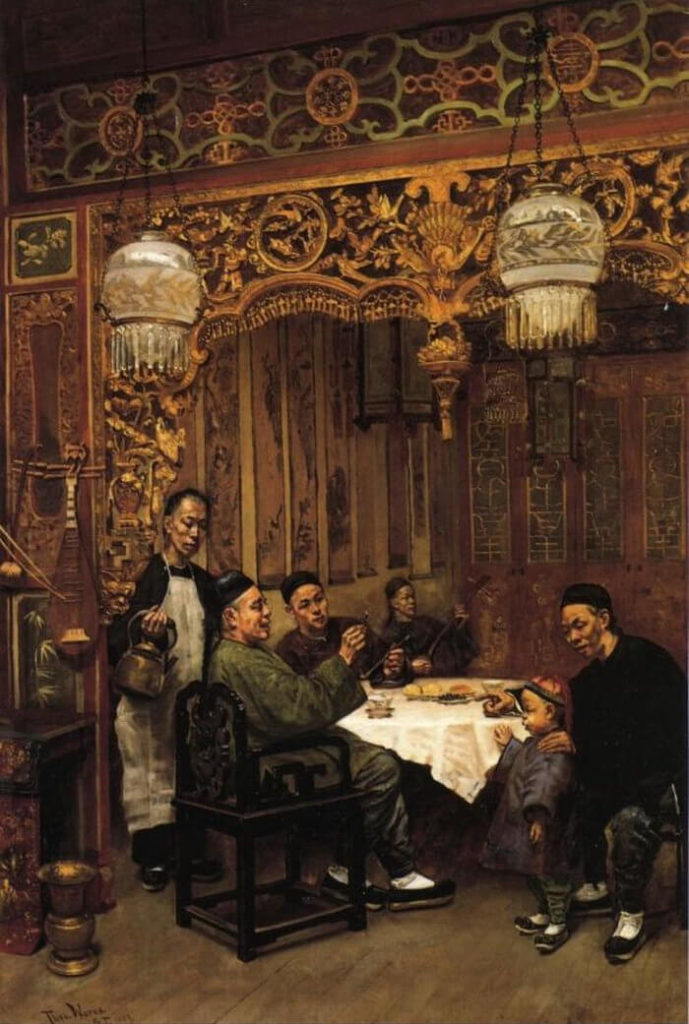
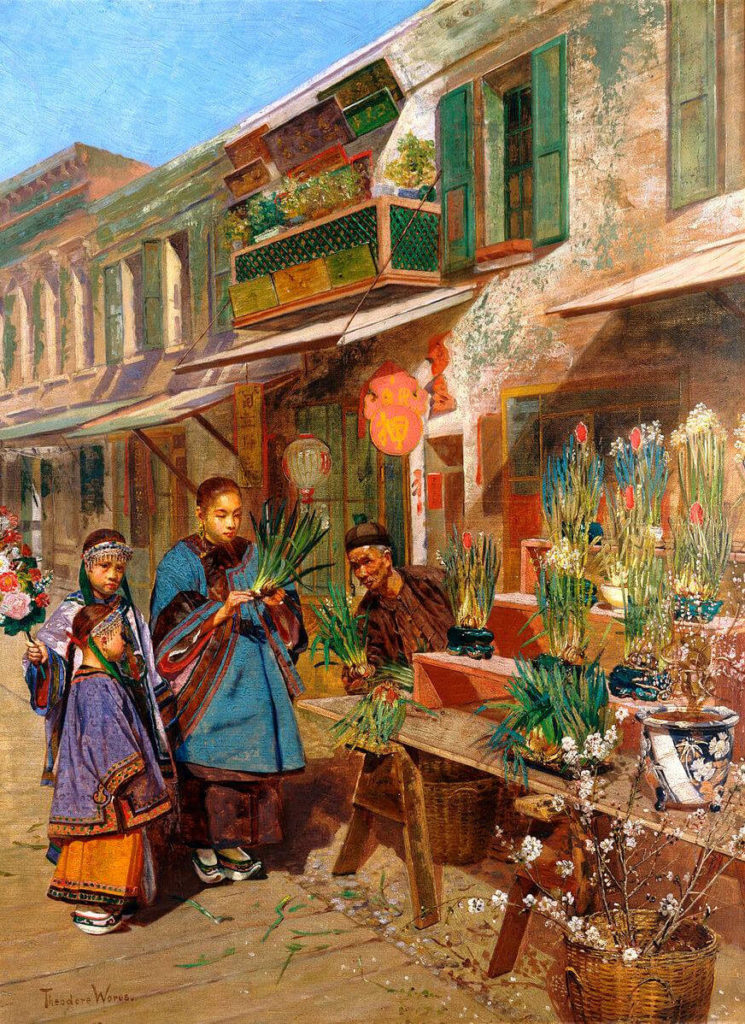
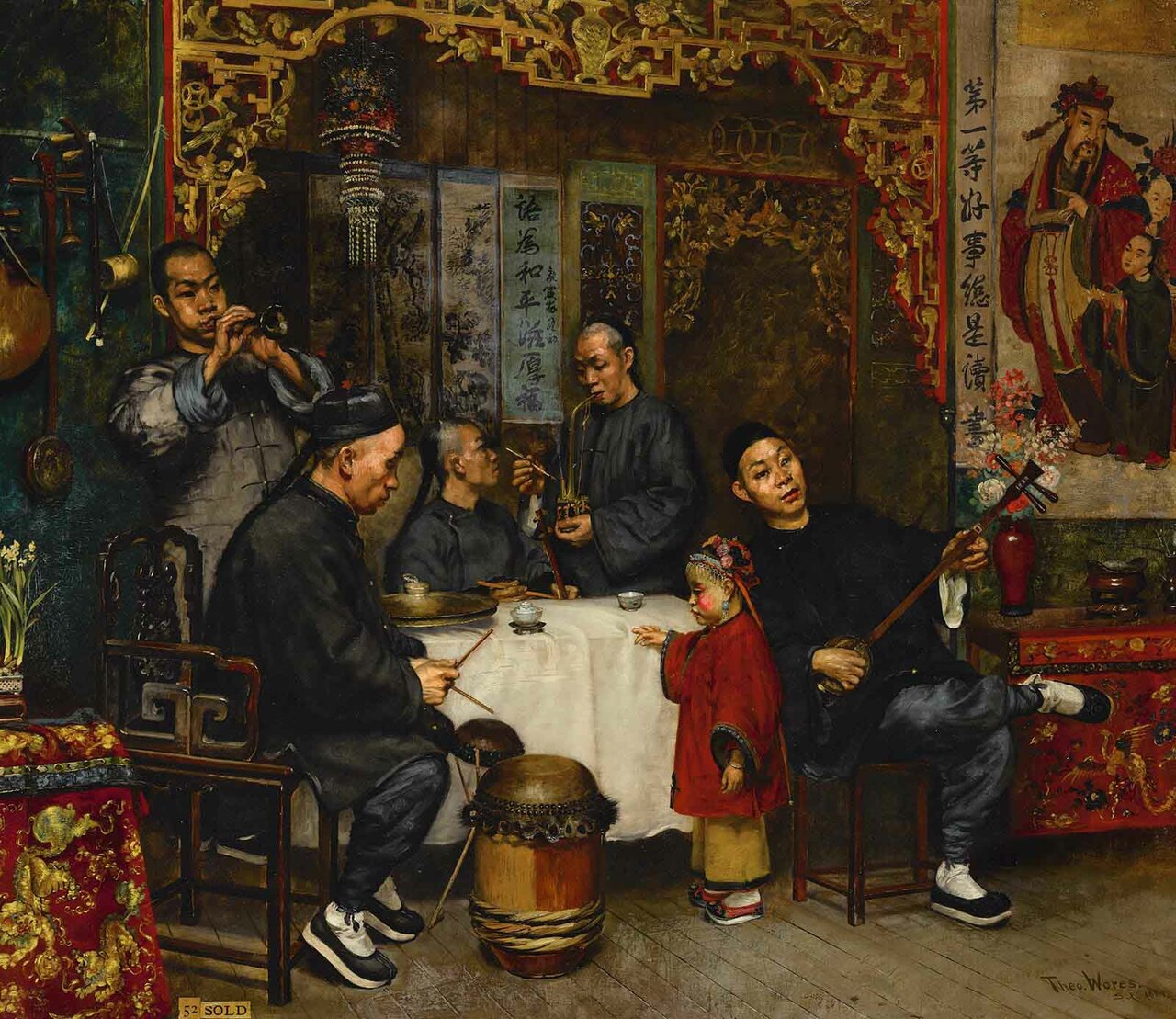
Theodore Wores’s art helped to form a positive image of Chinese people in 19th century America. This article by Ani Margaryan is an in-depth analysis of American artist Theodore Wores’ contribution to the rise of, coinage and extension of Chinese subject matters in American art history. It is also a rare attempt to represent the complete set of his artworks on Chinese themes. The main challenge to bringing this work to the art world is that the location of the majority of his Asian-inspired canvases remains unknown, with only photographic records of the pieces in existence.
Theodore Wores (August 1, 1859 – September 11, 1939) through employing the manners and technique of the European oil paintings of his time, including linear perspective, foreshortening, the contrast of light and shadow, a reflection of the volume of figures and objects, tints, and shades, breathed a new life into the Chinese-inspired scenes and themes in American oil painting history. The artist had never been to China, his Chinese protagonists are the inhabitants of San Francisco’s Chinatown.
Why was the painter obsessed with Asian themes? And, why did Chinese motifs particularly play a significant role in his career?
1. Influences of Wores childhood
Wores grew up in San Francisco, Northern California. He came to know San Francisco’s Chinatown (establishment in 1848, it has been highly important and influential in the history and culture of ethnic Chinese immigrants in North America) as a child while walking home from his father’s hat business store through the bustling Asian community quarters.
2. Teaching experience in Asian headquarters
Wores was one of the first American artists to venture into the city’s Chinatown. He is marked as a “pioneer in the exploration of Chinatown subject matter”. While creating his famous paintings of the Asian quarter in 1884, he also taught Western art to a small, enthusiastic group of 12 Chinese students.
3. Artistic tendencies of his time (involving Japanese and Chinese objects in the compositions)
According to the biographers, Wores’s friends included artists, such as William Merritt Chase (see “Spring Flowers (Peonies)”, 1889. Pastel on paper, prepared with a tan ground, and wrapped with canvas around a wooden strainer, 48 x 48 inches. Terra Foundation for American Art, Daniel J. Terra Collection, 1992.32) who from time to time were turning their brushes towards Asian themes, among them Chinese porcelain, Japanese kimono, partly inspired by the French school of Orientalism and Aestheticians. Thus, the entourage and surroundings made a positive ground for the growing interest in Asian culture, and Chinese, in particular.
For the complete article, visit the website https://www.artstoriagalleria.com/chinese-themes-early-american-art
–